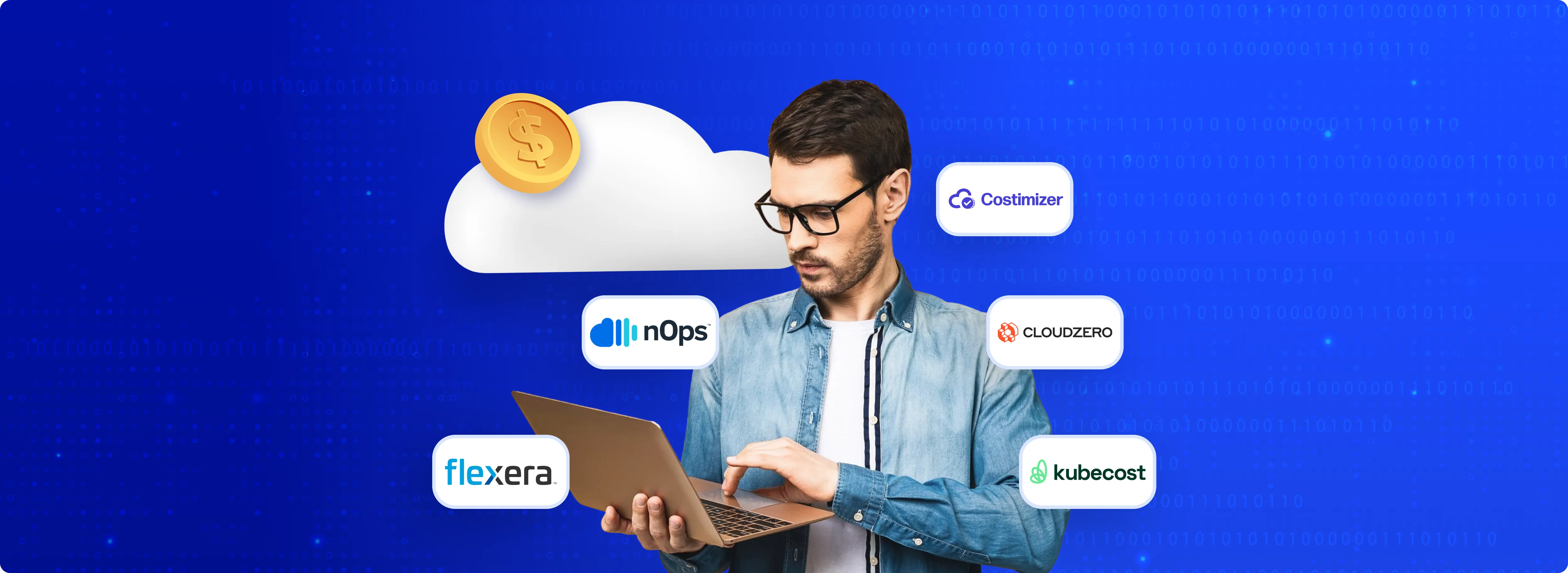


You implemented nOps to optimize AWS commitments and Spot usage, yet your cloud bill keeps rising.
Why?
Because optimising rates doesn’t stop idle and oversized resources from running. Enterprises still waste nearly 32% of cloud spend on infrastructure that delivers no value.
You don't need another dashboard telling you to save money; you need a system that actually saves it.
In 2026, the best tools use Agentic Execution to autonomously fix waste.
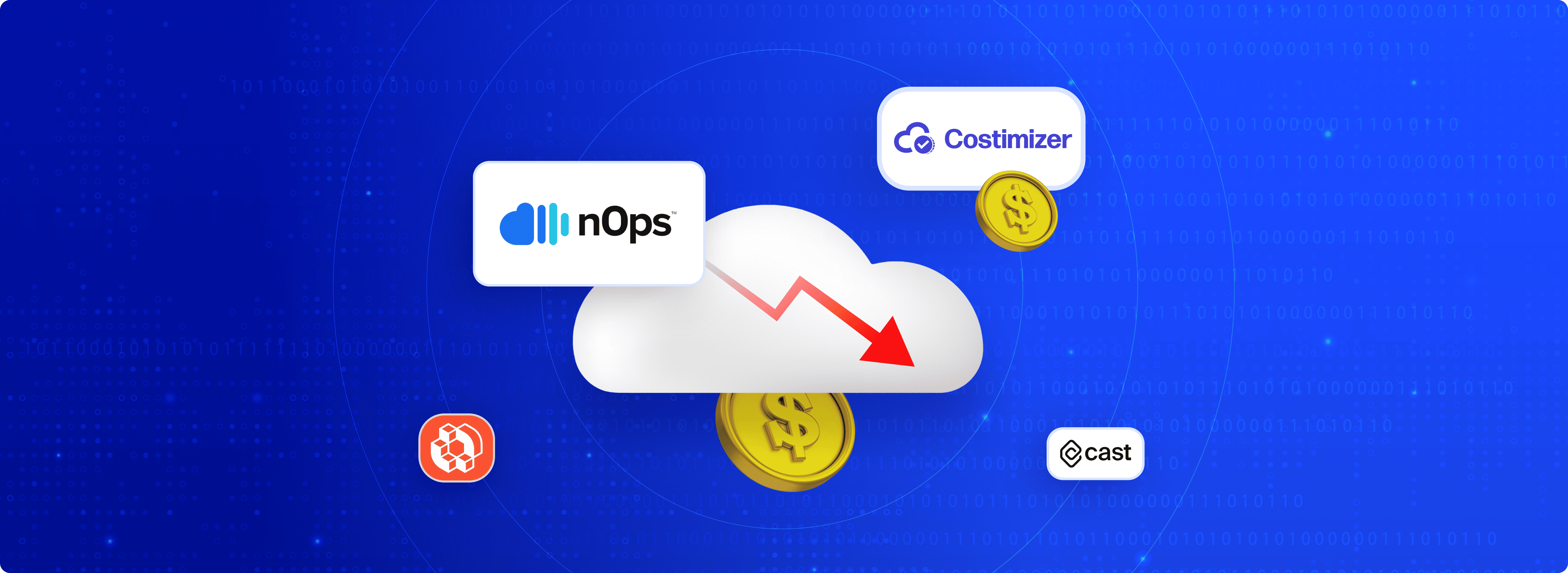
This guide compares the best nOps alternatives, including Costimizer and Vantage, that not only track spending but also actively reduce it.
nOps is strong on AWS commitment/Spot optimization but is AWS-centric, nOps is strong on AWS commitment/Spot optimization but is AWS-centric, and teams often explore aws cost optimization tools and cast ai alternatives that offer deeper Kubernetes and multi-cloud execution capabilities.
Top alternatives:
While nOps is a capable platform, particularly for AWS users, research and user feedback highlight distinct limitations that are driving teams to seek alternatives in 2026, especially teams evaluating cloud cost optimization tools for broader multi-cloud execution
nOps typically charges around 15% of the savings it generates, or 1-2% of your total cloud spend, whichever is greater under your account structure. Most teams report a minimum effective spend threshold of $50,000 to $100,000 per month before the savings-share model delivers a clear positive return. For fast-growing companies spending $20,000 to $40,000 per month on cloud, the percentage-of-savings model can feel expensive relative to the actual dollar value delivered. This is one reason teams begin evaluating alternatives around that growth stage. Costimizer, by contrast, uses a transparent tiered pricing model that scales with team size rather than cloud spend, making it accessible from day one. If you're trying to model the true cost of staying on nOps versus switching, a simple framework: calculate your average monthly cloud spend, multiply by the nOps percentage, then compare that figure against the savings Costimizer's guaranteed model would deliver. The break-even point is usually faster than teams expect.
Below is a breakdown answering common technical questions for decision-makers.
Feature / Question | Costimizer | nOps | Vantage | Cast AI | CloudZero |
Primary Focus | Agentic AI & Guaranteed Savings | AWS Optimisation & RIs | Multi-Cloud Visibility | Kubernetes Infrastructure | Unit Economics |
Guaranteed Savings? | Yes (Performance Model) | Yes (Commitment Guarantee) | No | No | No |
Mobile Access? | Yes (Responsive Web/App focus) | No native mobile app | No native mobile app | No native mobile app | No native mobile app |
Custom Webhooks? | Yes (Integrations) | Yes (EventBridge/Webhooks) | Yes | Yes | Yes |
Power BI Export? | Yes (Data Warehouse/API) | Yes (S3/CSV Export) | Yes | API access | Yes (Snowflake Share) |
Export to Data Warehouse? | Yes | Yes | Yes | Yes | Yes |
Integrations | Any custom API webhook | Limited | Limited | Limited | Limited |
Minimum Contract Value? | Flexible (Startup-friendly) | Varying (often $1k+/mo) | $2,500+/mo (Standard) | Usage-based | Custom Enterprise |
Best for SMBs? | High (Low barrier to entry) | Medium | Medium | Medium | Low (Enterprise focus) |
ROI Timeframe | < 30 Days | < 30 Days | 3-6 Months | < 30 Days | 3-6 Months |
Note on Mobile Access: Most enterprise FinOps tools (Vantage, CloudZero, nOps) rely on responsive web dashboards rather than dedicated mobile apps.
Costimizer and specific IT management tools, such as ManageEngine CloudSpend, are among the few that prioritise mobile accessibility for on-the-go alerts.
Below is a FinOps Expert’s breakdown of the best tools to replace nOps, categorised by their primary mechanism of action.

Best For: Teams that want to automate savings
Type: Agentic Cloud Management Platform
Costimizer represents the next generation of FinOps: Agentic Cloud Management.
While nOps provides a detailed map of where you are losing money, Costimizer provides a driver to get you to the destination. It bridges the critical gap between identifying waste and actually removing it.
FinOps Expert Note: Choose Costimizer if your engineering team is too busy to manually fix the 1,000 small inefficiencies that traditional dashboards find. It is the only tool that allows you to autopilot cost savings and efficiency.
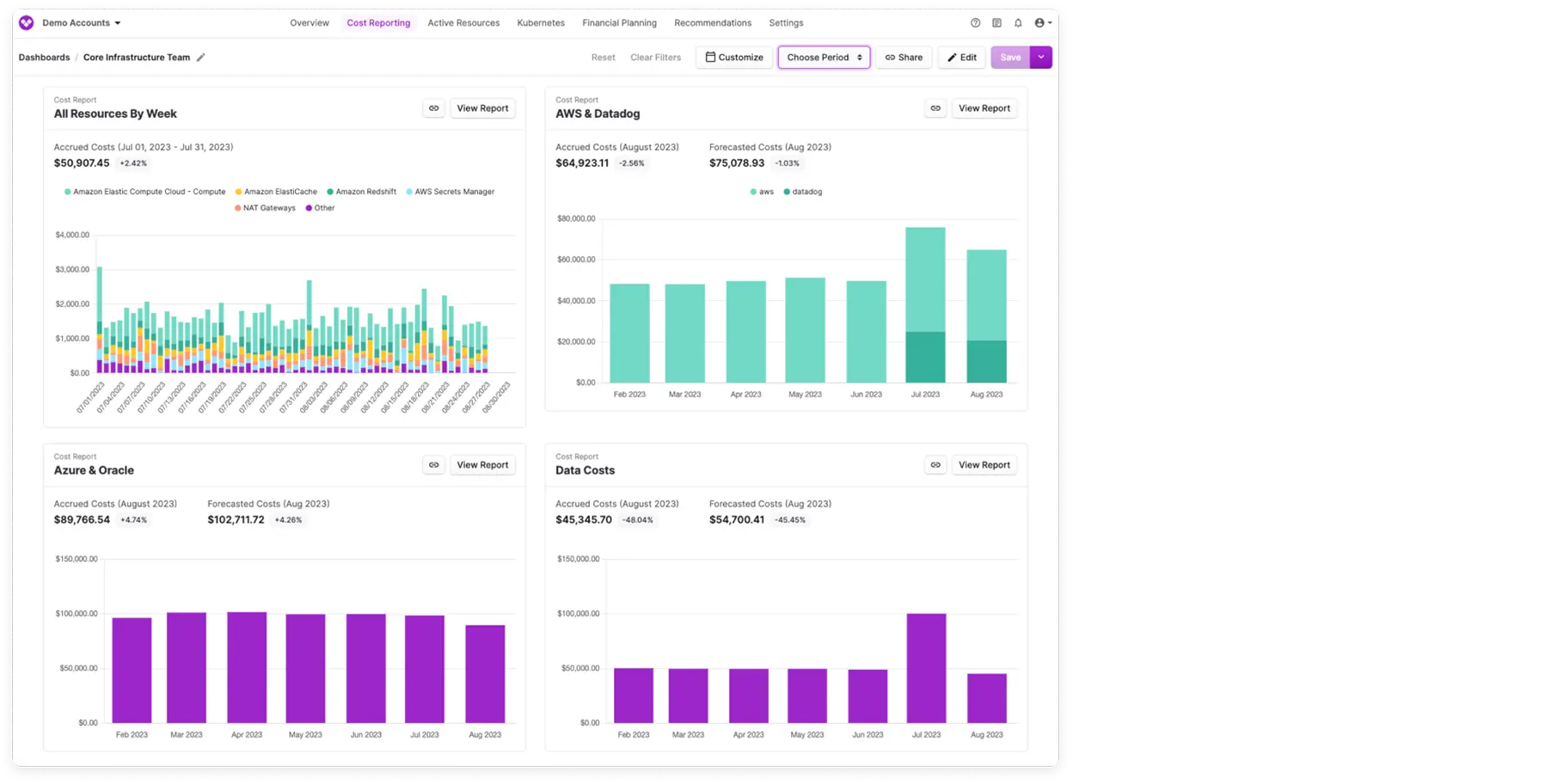
Best For: Multi-Cloud Visibility & Financial Reporting
Type: Cloud Cost Management Platform
Vantage is frequently cited as the strongest nOps alternative for multi-cloud organizations. Where nOps leans heavily into AWS execution, Vantage provides a unified view across AWS, Azure, Google Cloud, Snowflake, Datadog, and Kubernetes.
Trade-off: Vantage is primarily a visibility and reporting tool. It informs you where to save, but typically requires engineering action to execute the changes, unlike the autopilot nature of nOps or ProsperOps.
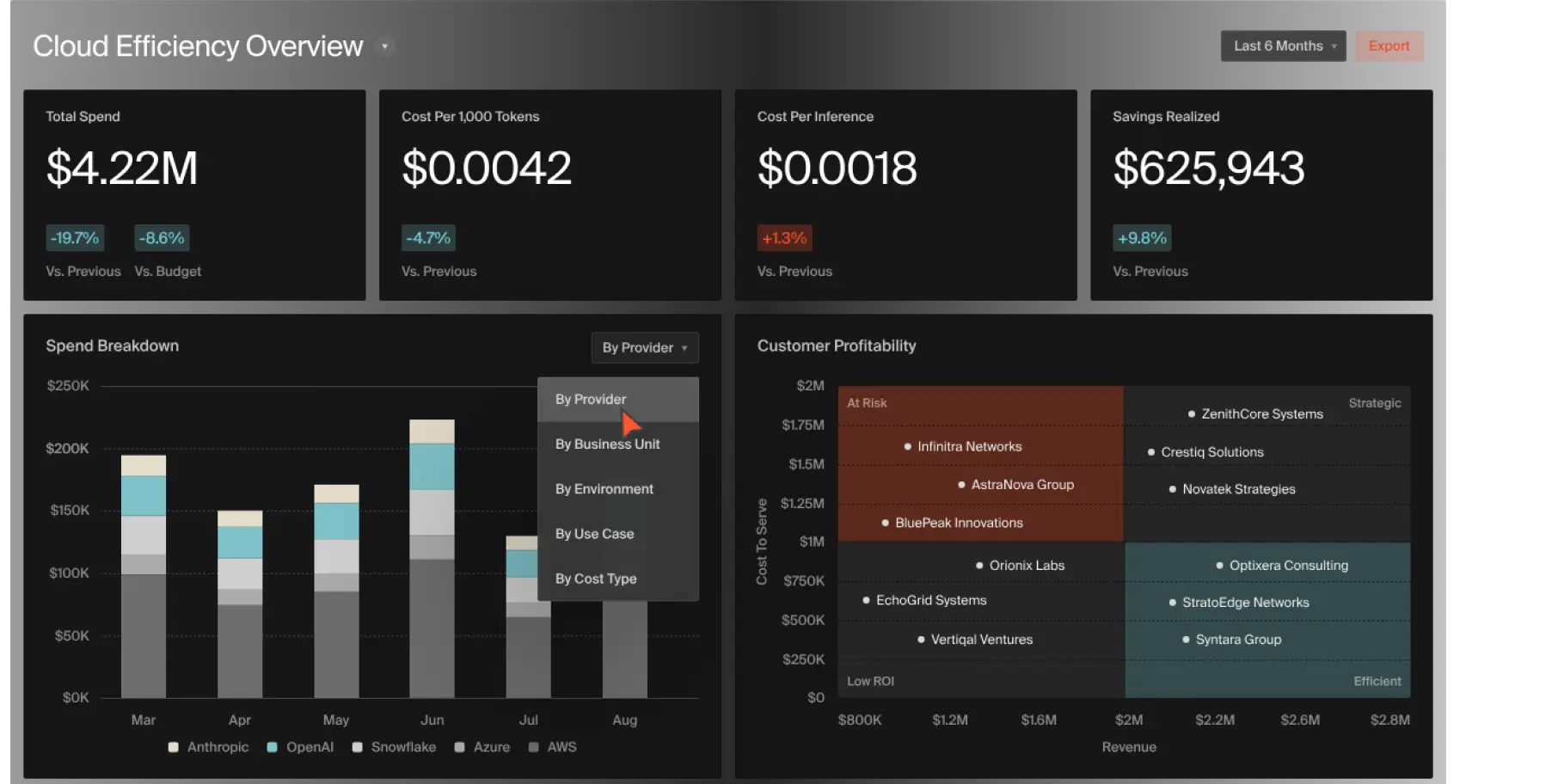
Best For: Engineering-Led Unit Economics
Type: Cloud Cost Intelligence
CloudZero focuses on Cost Intelligence rather than just management. It is designed to help engineering teams understand the cost consequences of their architectural decisions.
Trade-off: Like Vantage, it focuses on visibility. It does not automate the purchase of RIs or Savings Plans; it provides advisory recommendations. Teams looking for stronger automation and execution capabilities often explore other CloudZero alternatives.

Best For: Kubernetes Node Optimisation
Type: Automated Kubernetes Platform
For organisations whose spend is dominated by Kubernetes, Cast AI is a specialised powerhouse. Unlike nOps, which sits outside the cluster to manage pricing, Cast AI installs an agent inside the cluster to aggressively manage infrastructure.
Trade-off: It replaces the native Kubernetes autoscaler. This invasive approach yields massive savings but requires a high level of trust. It also does not manage non-Kubernetes costs (like RDS or Data Transfer).
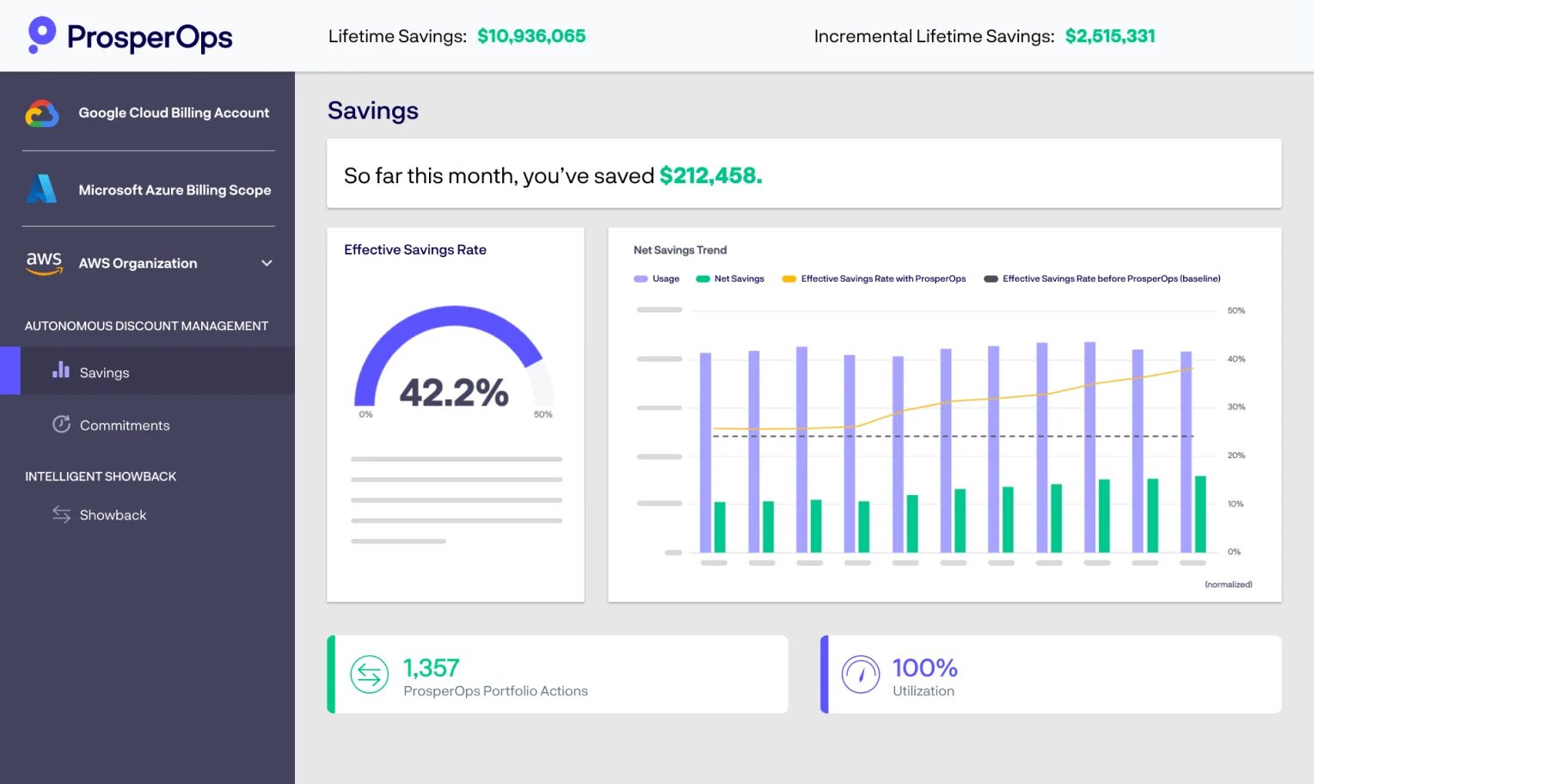
Best For: Automated Rate Optimisation (RI/SP)
Type: FinOps Automation
ProsperOps does one thing and does it exceptionally well: it manages AWS Savings Plans and Reserved Instances algorithmically.
Trade-off: It is a niche tool. It does not help you right-size an EC2 instance or optimize Kubernetes pods; it only optimizes the rate you pay for them.
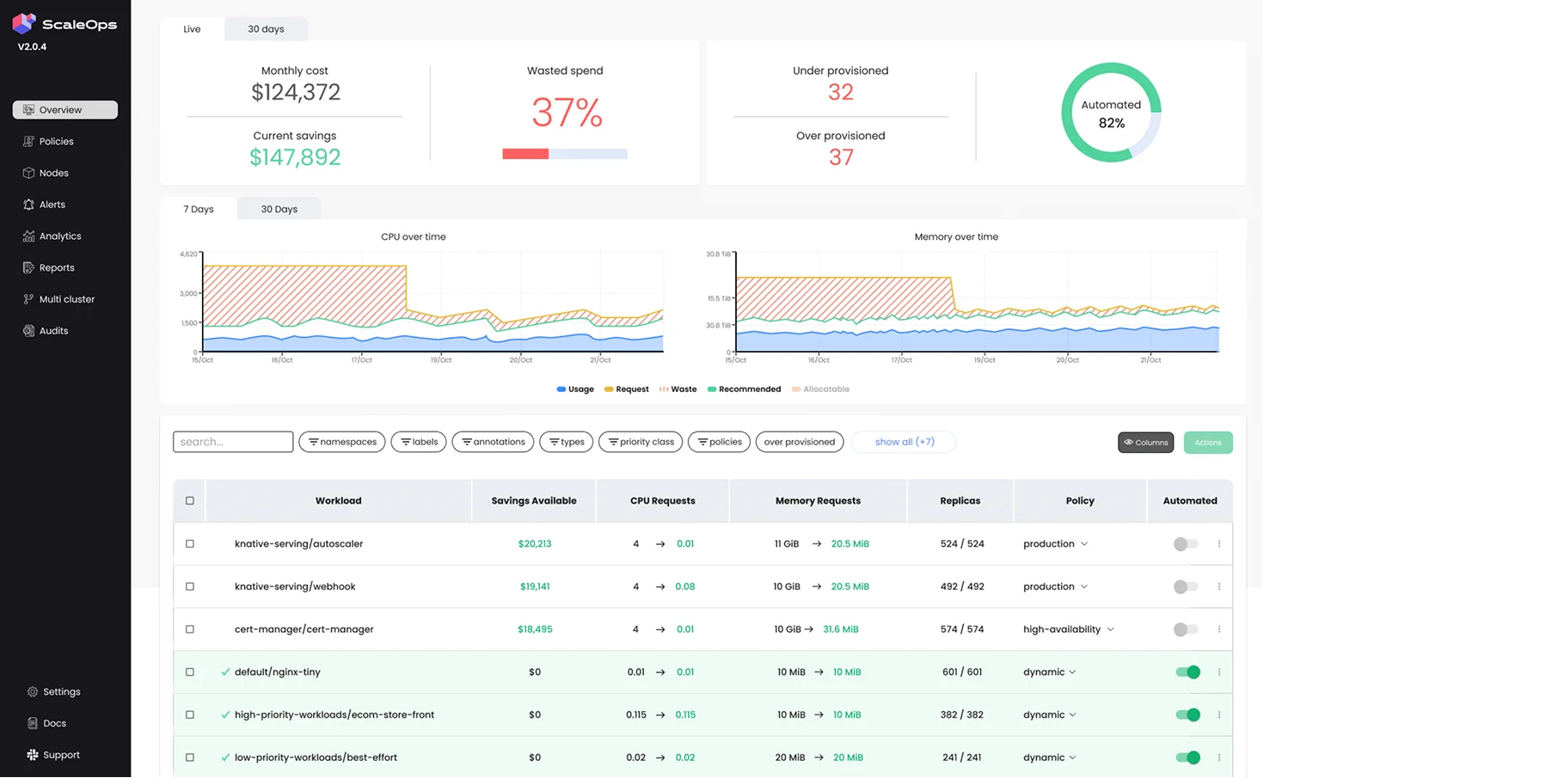
Best For: Kubernetes Pod Rightsizing
Type: Workload Optimization
While Cast AI focuses on the nodes (servers), ScaleOps focuses on the pods (applications).
Trade-off: Like Cast AI, it is specific to Kubernetes. It does not manage your broader cloud bill or commitments.
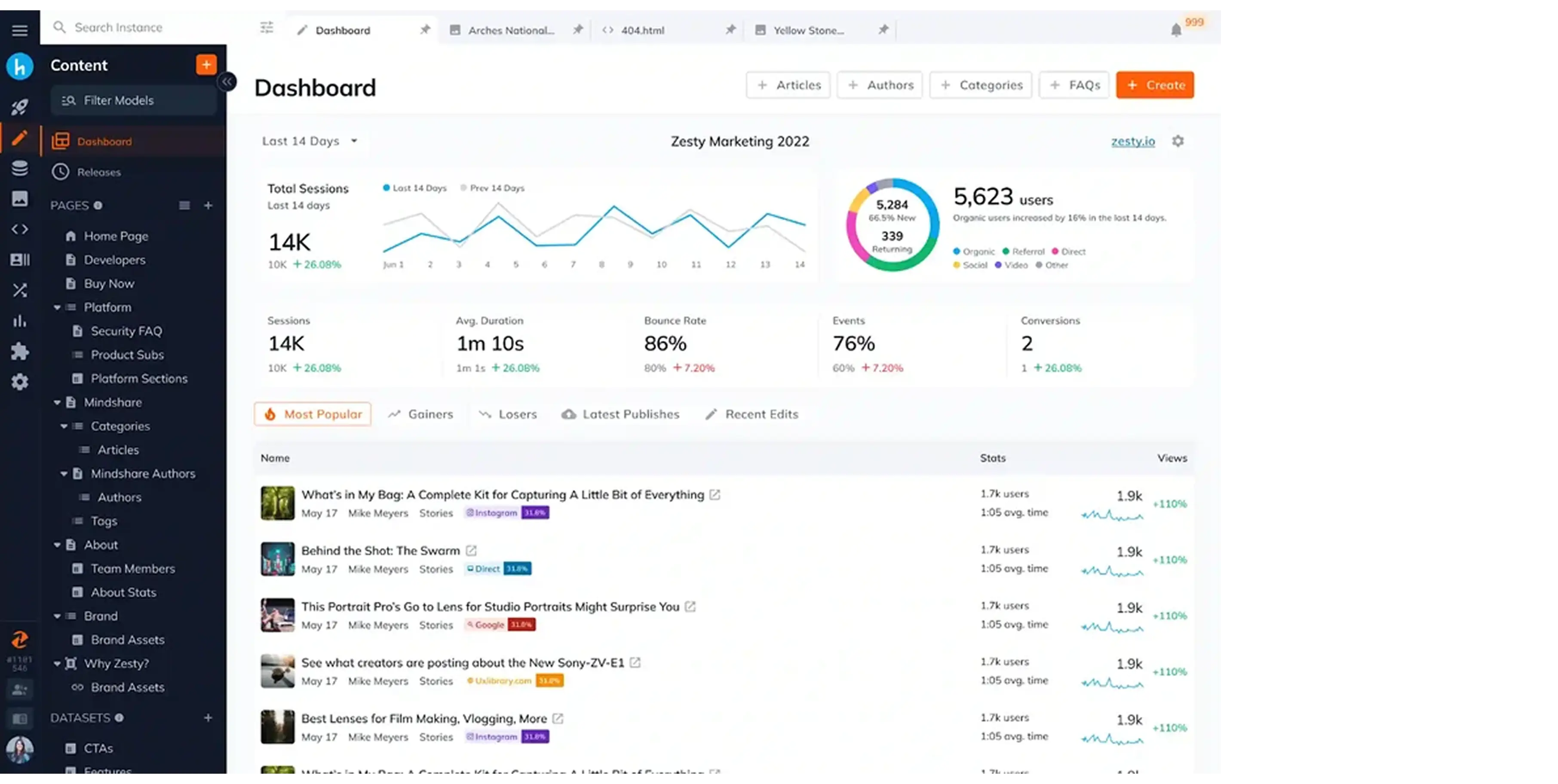
Best For: AWS Commitment Automation
Type: Automated RI/Savings Plan Trading
Zesty automates AWS Reserved Instance and Savings Plan management, adjusting your commitment portfolio in real time to match actual usage patterns. It is designed for AWS-heavy teams that want to maximize commitment coverage without the operational overhead of manual RI management.
Trade-off: Zesty is AWS-only. Teams running significant workloads on Azure or GCP will need a separate solution for those environments.
Best For: Enterprise AI-Driven Resource Optimization Across Hybrid Environments
Type: Application Resource Management
Turbonomic, now part of IBM, takes a different approach to cloud cost optimization. Rather than focusing on billing discounts, it analyzes application performance and resource consumption together, using AI to recommend and execute workload placement decisions across hybrid and multi-cloud environments.
Trade-off: Turbonomic is an enterprise-grade product with pricing and implementation complexity to match. It is not well-suited for startups or teams without a dedicated FinOps or platform engineering function.

Best For: DevOps Teams Wanting Cost Visibility in Their CI/CD Pipeline
Type: Developer-First Cost Management
Harness Cloud Cost Management is built for engineering teams that live in their CI/CD pipeline. It connects cost data directly to deployment events, so when a new service goes live and costs spike, engineers see exactly which deployment caused it.
Trade-off: Harness CCM is strongest as part of the broader Harness platform. Organizations not already using Harness for CI/CD may find the standalone cost management module less compelling compared to dedicated tools.
You are likely paying for cloud servers (compute power) that are running while no one is using them. Imagine leaving the air conditioning on full blast in an empty office building 24/7.
In the cloud industry, this is called idle resources or over-provisioning. Companies often waste 20% to 35% of their total cloud budget simply because they lack visibility into when to turn things off or how to size them correctly.
Here is the Solution: Modern cost optimization software acts like a smart thermostat for your cloud. It automatically detects when your business needs more power and turns it up, and, more importantly, turns it down or off when demand drops.
What You Gain:
How it Works: Consider a company running a website that is busy during the day but quiet at night. Without automation, they pay for peak capacity all night long.
With a tool like Costimizer, the system automatically adjusts the contracts and server sizes to match actual demand.
The choice comes down to one question: Do you need a report for Finance, or an autopilot for Engineering?
For most teams, the fastest savings come from two places: Spot Instance orchestration and Automated Cleanup. Automating these can significantly reduce compute waste.
When evaluating platforms, look for these three things:
The best alternative depends entirely on your specific infrastructure needs:
In 2026, replacing nOps is driven by CXOs seeking the right automation for their specific stage of growth.
The market has moved away from passive dashboards toward active, agentic optimization. Tools like Costimizer represent this shift, offering not just visibility but the ability to execute savings autonomously.
Ready to start saving?
See how Costimizer can lower your cloud bill by up to 20% in the first month with our Agentic AI.
Start your free assessment today.
Immediately. Because Agentic AI proactively optimises resources (such as terminating idle instances) rather than just reporting them, most teams see a 20% drop within the first 30 days.
Yes. Top-tier alternatives like Costimizer offer full data portability. You can export granular billing data directly to your internal data warehouse or BI dashboards for custom reporting.
Most competitors (including Vantage and CloudZero) are desktop-only. Costimizer prioritises mobile access, allowing Engineering leads to approve fixes or investigate spikes instantly from their phones.
Agentic AI operates within strict Guardrails. You set the rules. The system only executes autonomous fixes within the safety boundaries you have explicitly approved.
Yes. Costimizer is non-intrusive and runs alongside your existing stack. Many teams use nOps for commitment management, but layer Costimizer on top to address the usage waste nOps misses.
No. Tools like Costimizer do not remove or interfere with your existing Savings Plans or Reserved Instances. Instead, they optimize how those commitments are actually used by reducing idle and oversized resources, which improves overall utilization and ROI.
Not always. nOps handles pricing and commitments well, but Kubernetes-heavy teams often need deeper node-level and pod-level execution. Tools like Cast AI or ScaleOps specialize in reshaping clusters and right-sizing workloads, while agentic platforms like Costimizer handle both Kubernetes and non-Kubernetes waste. Our EKS cost optimization and GKE cost optimization guides cover specific strategies for each environment.
•
CTO•
Articles