We have always appreciated Finout for its visibility, and its MegaBill is genuinely impressive.
But in 2026, just seeing cost data isn't enough. With the rise of Agentic AI, we realized that modern engineering teams need a tool that doesn't just report on waste but actually fixes it automatically, like having a specialized FinOps engineer on autopilot.
That’s why we tested platforms that move beyond dashboards to actual execution. We evaluated the top contenders, and today in this blog, we are sharing a few that genuinely stop the cash bleed rather than just measuring it.
Here are the best Finout alternatives for real ROI.
60-Second Summary
While Finout provides a MegaBill to unify your cloud and SaaS costs, teams in 2026 are finding critical roadblocks that stall actual savings. Visibility is just the first step; if your tool cannot act on what it sees, the ROI flatlines.
Here are the primary reasons engineering leaders are switching to alternatives:
Finout excels at telling you where you spent money, but it often leaves the hard work of optimisation to your engineers.
It generates recommendations (CostGuard), but someone still has to manually approve, test, and deploy the fix.
Tools like Costimizer move beyond reporting to Agentic Execution. Instead of creating a Jira ticket that sits in a backlog, Agentic AI safely shuts down idle resources or resizes pods automatically within your guardrails.
While Finout is excellent at allocating Kubernetes costs (telling you which team owns a pod), it lacks the ability to physically optimize the cluster.
It cannot perform Bin Packing, the complex process of reshuffling pods to fit onto fewer nodes to eliminate waste. It reports the cluster's cost, but it cannot shrink the cluster itself.
Use a platform that supports Active Node Arbitration, such as Costimizer. These tools live inside the cluster and automatically consolidate workloads onto fewer, cheaper nodes, physically reducing the infrastructure footprint rather than just reporting on it.
Users report that while high-level dashboards are easy, getting deep, actionable granularity (like Cost per Customer or Kubernetes pod-level accuracy) requires complex Virtual Tagging rules and maintenance. If your tagging strategy isn't perfect, the data becomes noisy.
Automated platforms ingest raw usage data and apply AI normalisation instantly, giving you unit economics without forcing you to rewrite your entire tagging policy manually.
Finout provides strong visibility across multi-cloud (Azure/GCP), but its ability to automate savings (such as commitment management or rightsizing) is often deeper for AWS than for other providers.
True multi-cloud alternatives treat Azure and GCP as first-class citizens, offering automated commitment management and rightsizing across all three major clouds, not just Amazon.
Finout is a powerful reporting tool for Finance teams. But if you need an autopilot for Engineering that actively reduces the bill, teams are migrating to Agentic platforms like Costimizer.
Below is a breakdown answering common technical questions for decision-makers.
Feature / Question | Costimizer | Finout | Vantage | CloudZero | Cast AI |
Primary Focus | Agentic AI & Guaranteed Savings | Multi-Cloud Observability | Multi-Cloud Reporting | Unit Economics | Kubernetes Automation |
Guaranteed Savings? | Yes (Performance Model) | No | No | No | No |
Mobile Access? | Yes (App/Web focus) | Dashboard only | Dashboard only | Dashboard only | Dashboard only |
Custom Webhooks? | Yes | Yes | Yes | Yes | Yes |
Power BI Export? | Yes (Data Warehouse) | Yes | Yes | Yes | API Access |
Minimum Contract? | Flexible (Low barrier) | ~$20k/yr (Enterprise) | ~$2.5k/mo | Custom | Usage-based |
ROI Timeframe | < 30 Days | 3-6 Months | 3-6 Months | 3-6 Months | < 30 Days |
Integrations | Any custom API webhook | Limited | Limited | Limited | Limited |
Pricing Model | % of Spend | % of Spend | Flat Platform Fee | Flat Platform Fee | % of Spend |
Note on Mobile Access: Most enterprise FinOps tools (Vantage, CloudZero, Finout) rely on desktop-heavy dashboards. Costimizer prioritises mobile accessibility for approvals on the go.
Alright, let’s go over each one.
Below is the FinOps expert-curated list highlights the best Finout alternatives, evaluated for automation capabilities.

Best For: Teams that want to automate savings and guarantee ROI.
Type: Agentic Cloud Management Platform
Costimizer acts as the Driver in your cloud financial journey. Where Finout provides a detailed map of where you lost money, Costimizer provides an autopilot that gets you to the destination efficiently. It focuses on closing the critical gap between identifying waste and actually removing it.
Why it replaces Finout: It moves you from managing costs to autopiloting them. You stop creating Jira tickets for engineers and start seeing lower invoices.
FinOps Expert’s Suggestion: Choose Costimizer if your engineering team is too busy to manually fix the 1,000 small inefficiencies that Finout finds.
Best For: Multi-Cloud Visibility & Financial Reporting
Type: Cloud Cost Management Platform
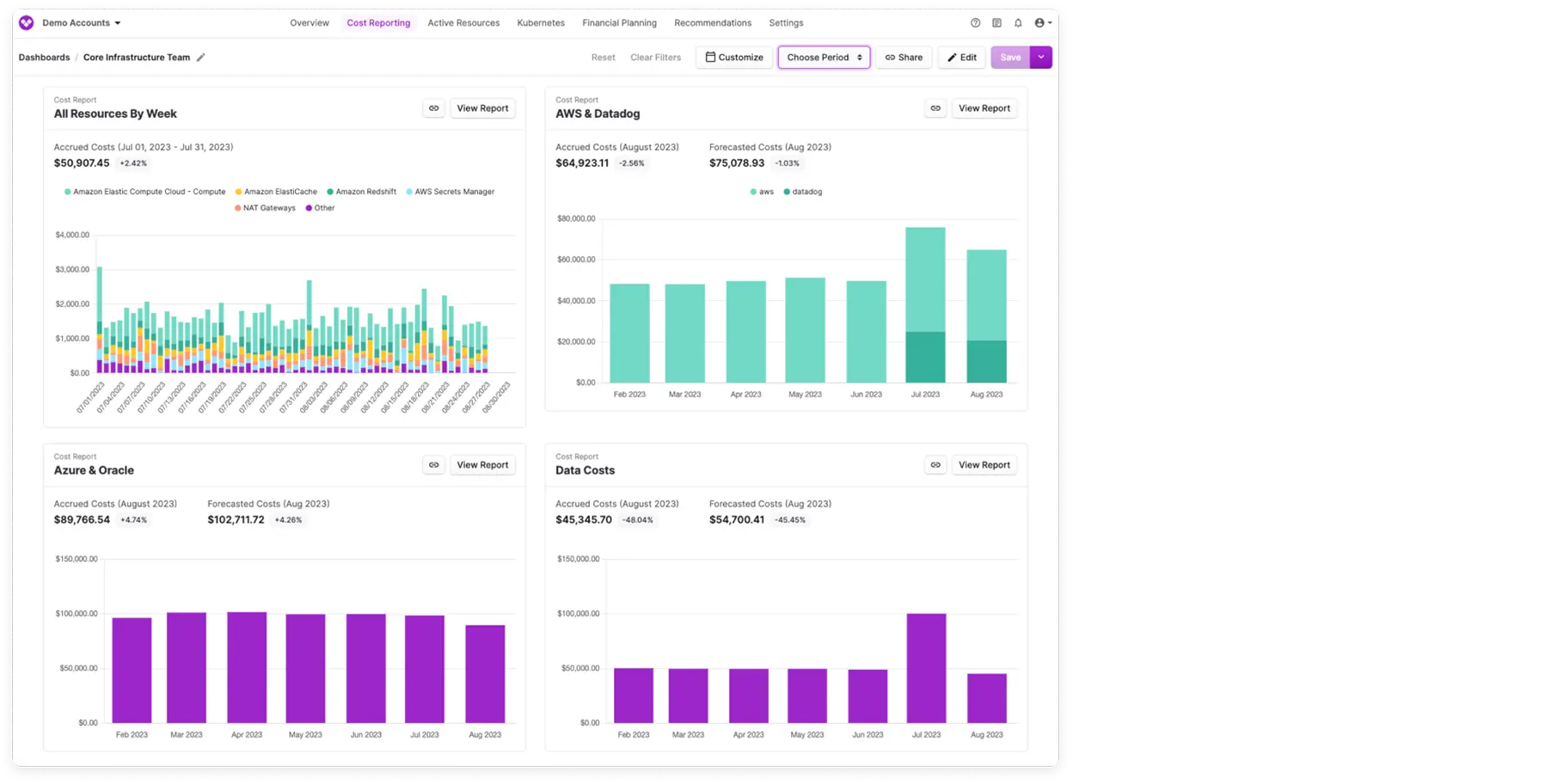
Vantage is often cited as Finout's closest direct competitor in terms of visibility. It provides a unified view across AWS, Azure, Google Cloud, Snowflake, Datadog, and Kubernetes.
Trade-off: Vantage is primarily a visibility tool. It tells you where to save, but typically requires engineering work to implement the changes, unlike Costimizer's agentic nature.
Best For: Engineering-Led Unit Economics
Type: Cloud Cost Intelligence
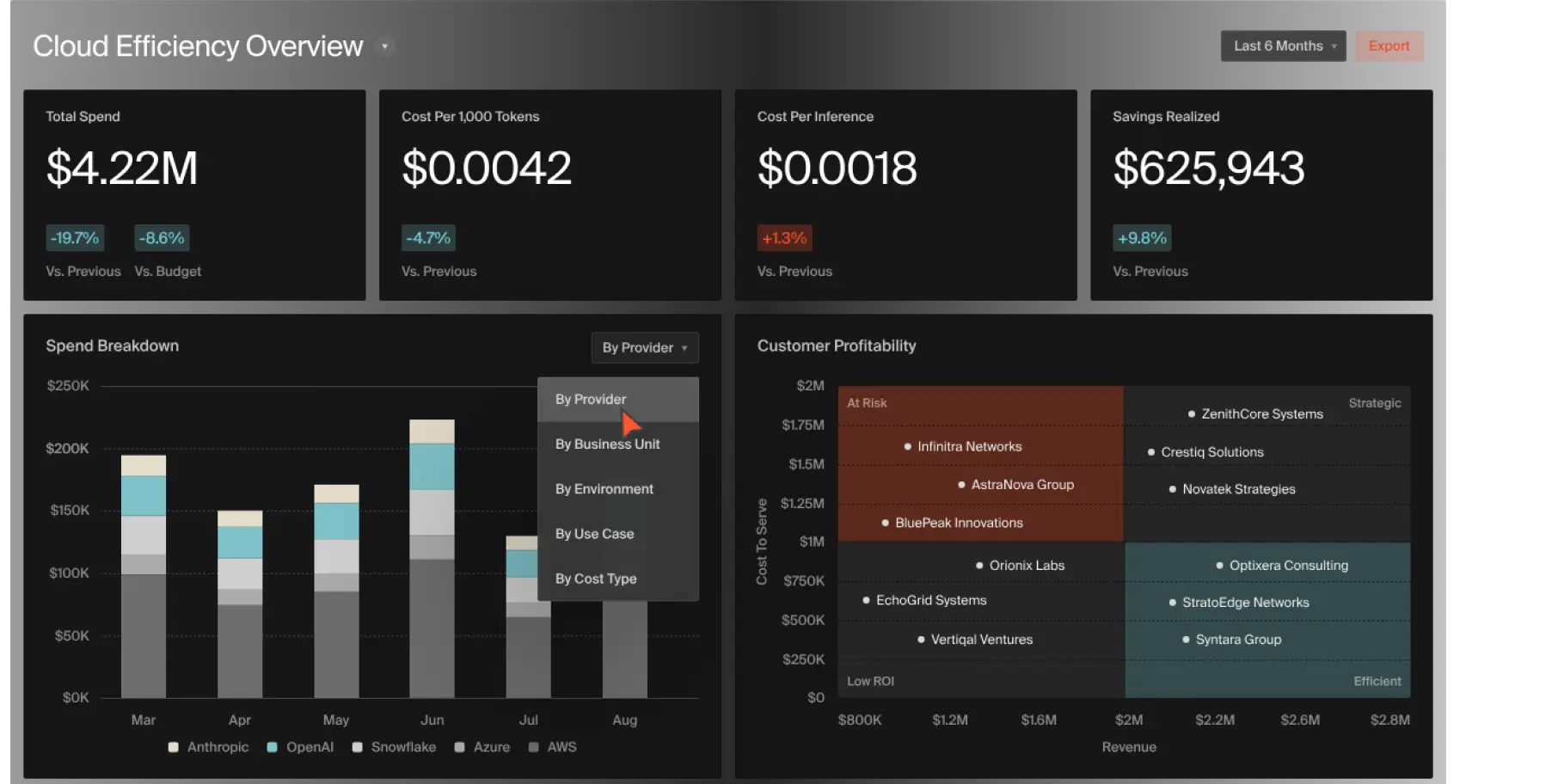
CloudZero focuses on Cost Intelligence. It is designed to help engineering teams understand the cost consequences of their architectural decisions.
Trade-off: It is not an automation tool. It does not buy RIs or resize instances for you; it trains your engineers to do so more effectively.

Best For: Kubernetes Node Optimization
Type: Automated Kubernetes Platform
If your high cloud bill is primarily due to Kubernetes (EKS/GKE), Finout is not the right tool for optimization. Finout reports on K8s costs; Cast AI fixes them.
Trade-off: It is highly specialized. It does not manage RDS, Data Transfer, or non-containerized workloads.
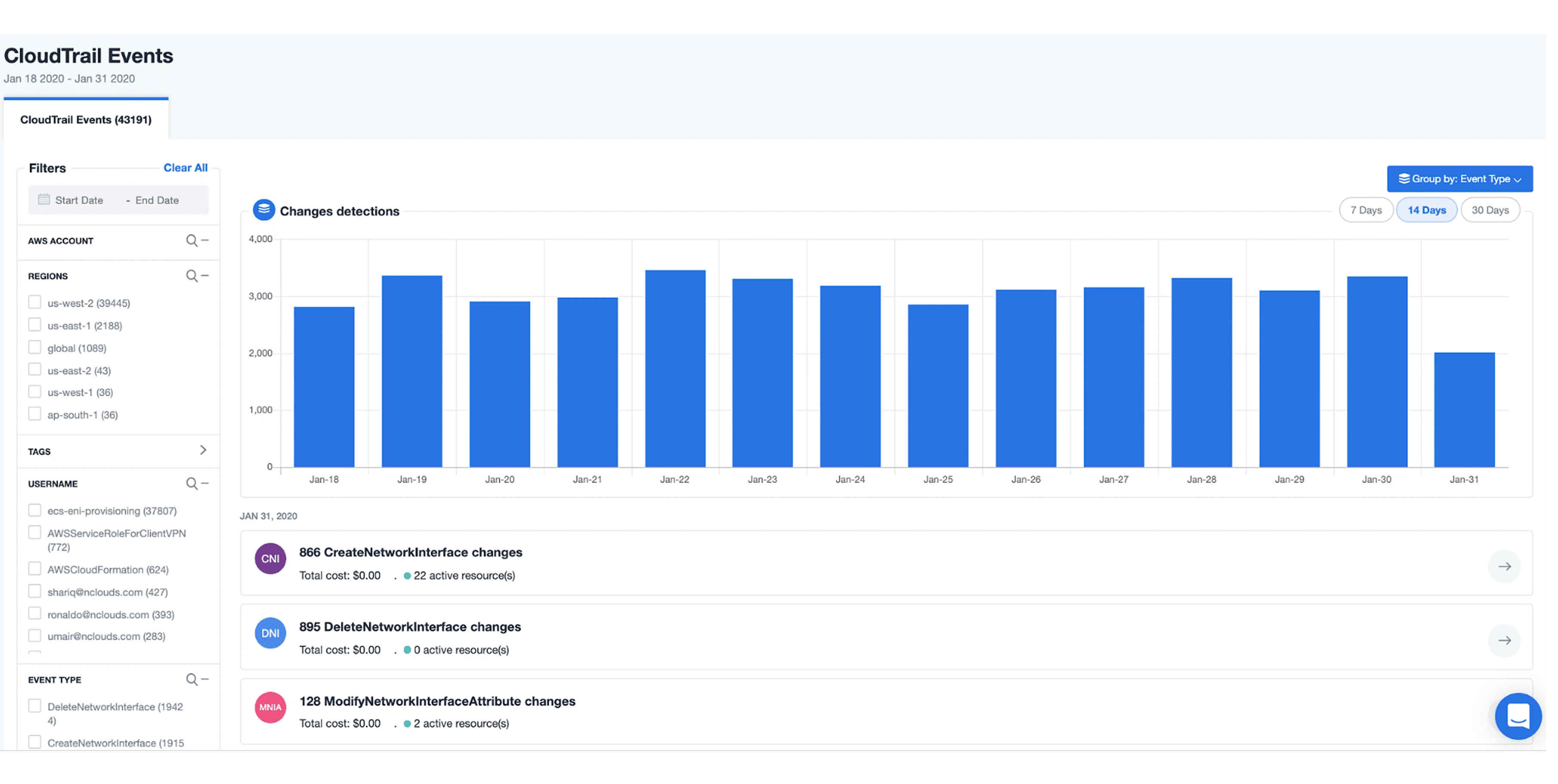
Best For: AWS Optimisation & Automated RIs
Type: AWS FinOps Platform
nOps is a powerhouse for AWS-centric shops. While Finout is great for multi-cloud reporting, nOps goes deeper into AWS-specific automation.
Trade-off: Its multi-cloud capabilities (Azure/GCP) are less mature than Finout or Vantage.

Best For: DevOps & CI/CD Integration
Type: Continuous Delivery Platform
Harness connects cost directly to the deployment pipeline. It answers the question: "Did this specific code deployment raise our bill?"
Trade-off: It is complex to set up if you are not already using the Harness CI/CD platform.
Finding the right replacement for Finout is mainly about deciding how you want to address cloud waste.
Do you need better charts to show Finance (Visibility), or a system that automatically lowers the bill (Execution)?
If the answer is it’s on our roadmap, it’s not true multi-cloud. Just walk away.
Yes, Costimizer is the superior alternative if you want an Agentic AI platform that actively reduces your bill rather than just reporting on it.
However, Finout is still a powerful tool for observability. It builds beautiful dashboards and is excellent for Finance teams who need granular cost allocation. But if you want a tool that acts like an autopilot for your infrastructure, automatically fixing waste, Costimizer is the closest thing to having a dedicated, 24/7 FinOps engineer.
The reality is that seeing the problem isn't enough; you need to solve it.
If you are ready to move beyond passive reporting and want guaranteed savings with zero upfront risk, we recommend starting with Costimizer. Its agentic approach ensures you stop paying for idle resources immediately, without adding more tickets to your engineering backlog.
No. Finout and many legacy tools charge a percentage of your spend (effectively a tax on your growth). Costimizer uses a Performance-Based Model: we only charge a share of the actual money we save you.
Yes. Agentic tools do not act randomly. They operate within strict guardrails you define (e.g., never touch Production Databases or only resize during maintenance windows).
With reporting tools (Finout, CloudZero), it takes months to manually implement recommendations. With Costimizer’s automation, the system actively fixes waste (such as terminating idle resources), and most teams see a 20% reduction in bills within the first 30 days.
Yes. Enterprise finance teams often need data outside the SaaS dashboard. Alternatives like Costimizer support native exports to major data warehouses and BI tools, so you can view cloud unit economics alongside your revenue data.
Not necessarily. Costimizer is non-intrusive and can run alongside your existing stack. Many teams keep Finout for high-level financial reporting but layer Costimizer on top to handle the active execution and waste removal that Finout lacks.
Most competitors (CloudZero, Finout, Vantage) are desktop-heavy. Costimizer provides mobile access, allowing engineering leaders to approve savings actions or investigate budget spikes instantly from their phones.
This is a critical distinction. While Finout displays data for all clouds, its automation is limited. Costimizer is offering automated commitment management and rightsizing across all three major providers, not just AWS.
Finout and CloudZero often target enterprises with contracts starting at $ 20k- $30k year. Costimizer offers flexible, low-barrier entry options, making it accessible for high-growth SMBs who want enterprise-grade optimization without the enterprise-grade lock-in.


•
CFO•
Articles