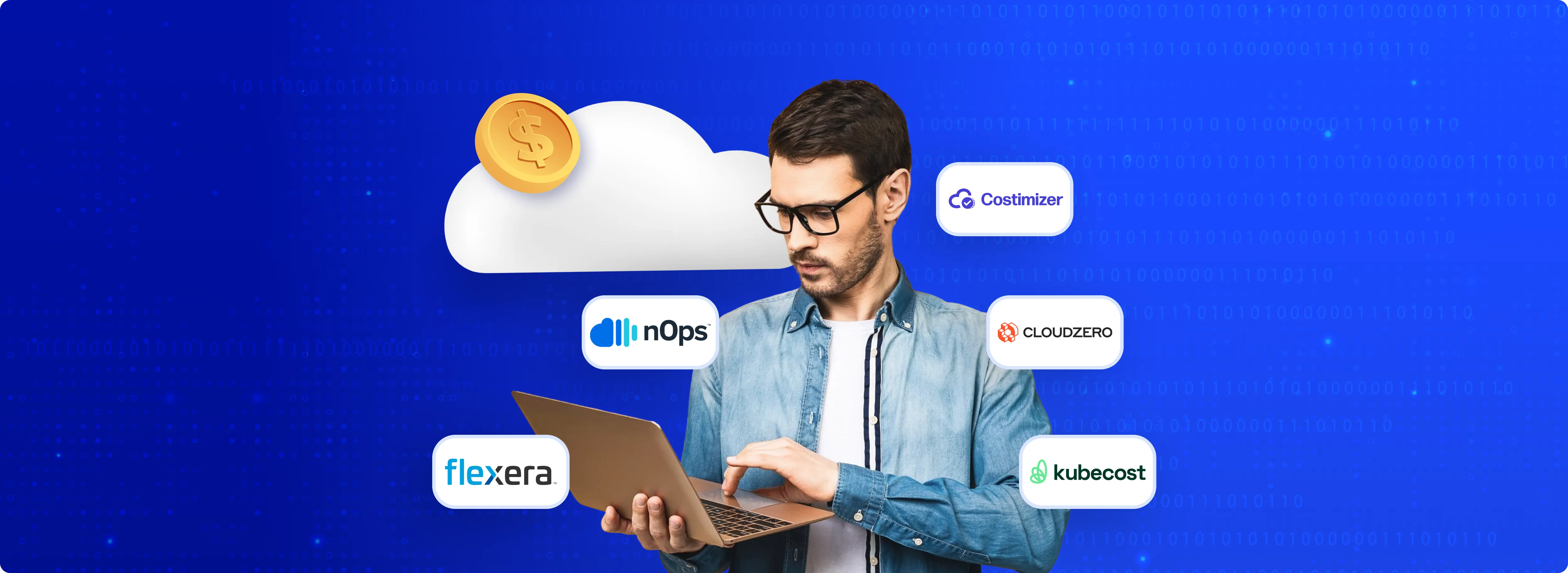
CloudZero gives you perfect cost allocation charts, yet your cloud bill keeps climbing. This is because knowing who spent the money isn't the same as saving it.
In 2026, you don’t need another dashboard reporting your overspend; you need a system that fixes it automatically.
This guide breaks down the top CloudZero alternatives that shift you from passive reporting to automated execution, ensuring your cloud bill actually goes down.
Reporting alone is not as effective as automated execution, which is what actually reduces cloud bills.
Top alternatives compared:
Key Takeaway: Nowadays, you don’t just want a dashboard that shows how much it costs you. Most savings come from automatic shutdowns, rightsizing, and Spot orchestration.
CloudZero shows exactly where your cloud money goes and ties that spend to business metrics (cost per customer, feature, team). Its strength lies in cloud cost allocation at the team, product, and customer levels.
But as companies scale, three practical gaps push some teams to look at alternatives:
If you need automated rightsizing and scheduling, platforms such as Costimizer show that level of automation today.
You don’t need to look for other muti cloud management software, teams can use resource-level visibility in one platform. You gain granular control over every workload, instance, and service while securely connecting many cloud accounts.
CloudZero does not publish pricing publicly. It uses a custom enterprise pricing model, typically structured as a percentage of cloud spend, with minimum spend thresholds that make it a poor fit for companies spending less than $1M per year on cloud infrastructure. Most buyers report quotes in the range of enterprise SaaS contracts, often requiring a multi-year commitment for the best rates. This pricing structure is the primary reason teams search for CloudZero alternatives: the platform excels at cost visibility but carries a cost of its own that is difficult to justify when the insights it produces are not being actioned automatically. The alternatives below range from free open-source options to execution-focused platforms priced at approximately 1 to 2% of cloud spend.
Below is a FinOps Expert’s breakdown of the best tools to replace or augment CloudZero, categorized by their primary strength.
Platform | Best For | Primary Differentiator | Pricing Model |
Costimizer | Automated Savings | Agentic AI that fixes waste, not just reports it. | |
Vantage | Multi-Cloud UI | Financial focus with a superior UI for finance teams. | % of Spend |
Harness | DevOps Teams | Integrated strictly into the CI/CD pipeline. | % of Spend |
Kubecost | Kubernetes | Granular pod-level visibility for K8S clusters. | Node-based |
nOps | AWS Automation | Deep automation for AWS Spot Instances & commitments. | % of Spend |
CAST AI | K8s Autopilot | Real-time automated node rebalancing for Kubernetes. | % of Spend |
Finout | Tag-Free Allocation | No-code cost allocation without tagging or engineering setup. | % of Spend |
IBM Turbonomic | Enterprise AI Optimization | AI-driven resource management across hybrid cloud and on-prem. G2’s 1-ranked CloudZero alternative. | Custom (Enterprise) |

Best For: Teams that want to automate savings, not just visualize them.
Costimizer represents the next generation of FinOps: Agentic Cloud Management.
While CloudZero provides a map of your spending, Costimizer provides a driver to get you to the destination. It focuses on closing the gap between identifying waste and removing waste.
Agentic AI Optimization: Autonomous agents safely handle rightsizing, Spot Instance management, and automated storage cleanup without requiring constant human intervention.
Unified Multi-Cloud Control: Manage AWS, Azure, and GCP from a single platform with normalized billing data eliminating the need for Muti-cloud management software. You can gain resource-level visibility and granular control over every workload, instance, and service while securely connecting multiple cloud accounts.
Personalized Trade-Off Recommendations: Instead of black-box automation, you get AI-driven options that show real-world impact. For example: Save 20% with 0% risk versus save 40% with 5% risk. You choose based on your risk tolerance.
Group-Buy Savings: Costimizer lets you group-buy with other fast-growing companies to gain the buying power of a mega-corporation, delivering guaranteed cost reductions you could not achieve on your own.
Proactive Budget Enforcement: Set budgets and quotas at the team, project, or application level, and have Costimizer agents automatically enforce them before overspending occurs. This is the core promise of purpose-built cloud budgeting software that acts, not just reports.
Engineer-Centric Dashboards: Provide engineers with actionable, transparent cost data integrated into their workflows, enabling them to see the cost implications of their decisions in real time.
An enterprise running 5,000 EC2 instances often has 20% of them idling at night. CloudZero would show a report: "You spent $5,000 overnight."
Costimizer sets a policy: "Auto-park dev environments between 8 PM and 7 AM." The savings happen automatically so that your team can focus on other productive work.
Consultant’s Suggestion: Choose Costimizer if your engineering team is too busy to manually fix the 1,000 small inefficiencies that CloudZero finds.
Best For: Finance teams needing cross-cloud reporting and forecasting.
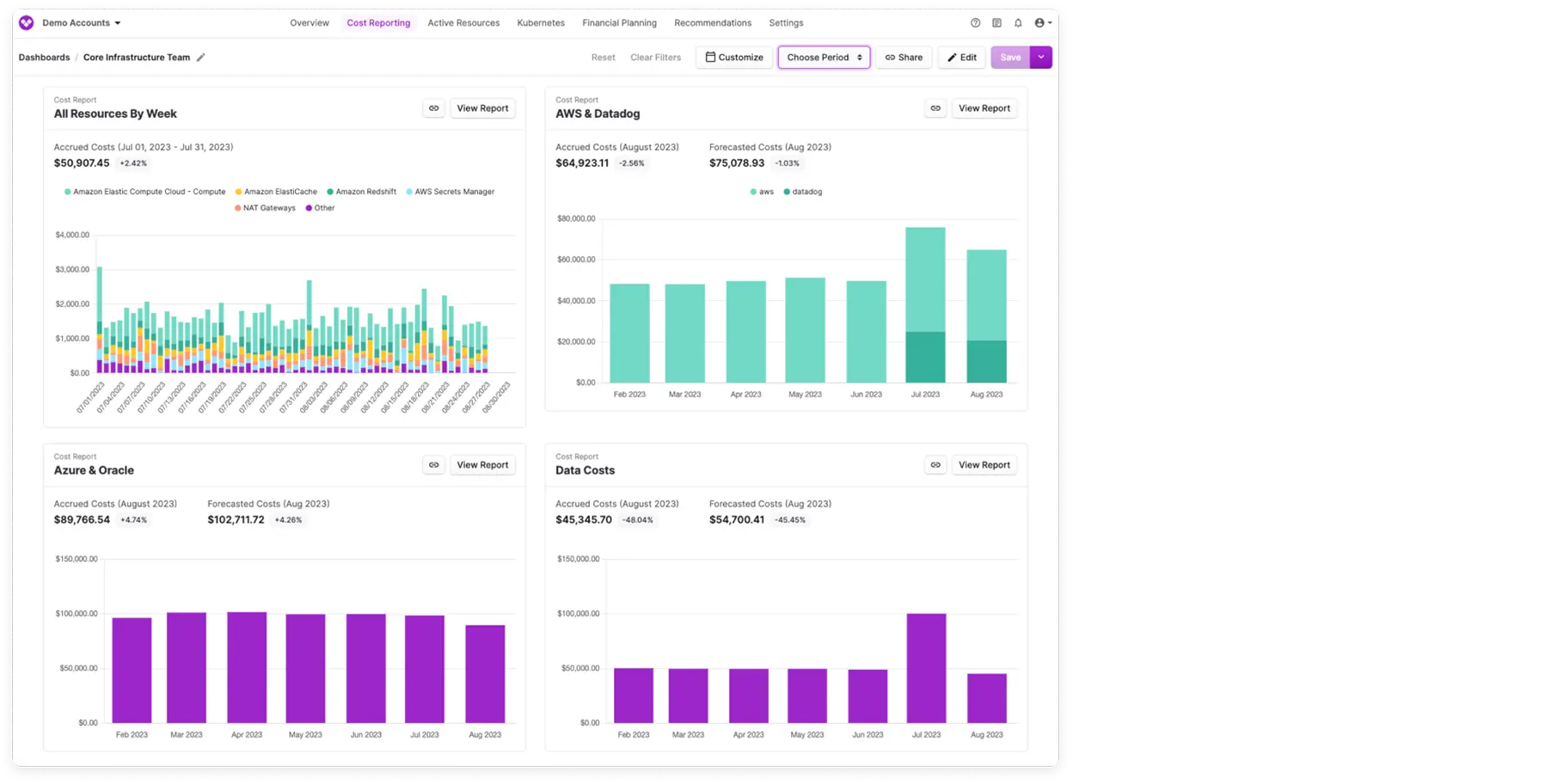
Vantage is often called the Modern Cloud Cost Platform. It has gained traction for its exceptional User Interface (UI) and broad support for secondary clouds, including Snowflake, Datadog, Fastly, and MongoDB.
Like CloudZero, Vantage is primarily a visibility tool. It gives you the data to make decisions, but it relies on your engineers to execute most architectural changes.

Best For: Organizations that already use Harness for CI/CD.
Harness approaches cost from the pipeline. By integrating cost checks into the deployment process (CI/CD), it stops expensive code from ever reaching production.
Harness is built for the pipeline first. For teams that just want a financial dashboard without changing their deployment tools, implementing it is often overkill and complex.

Best For: Platform Engineering teams managing complex Kubernetes environments (EKS, AKS, GKE).
Kubecost is a specialized tool. It is exceptional for Kubernetes but lacks the broad Unit Economics across non-containerized resources (such as Snowflake, data lakes, or legacy EC2) that CloudZero provides.
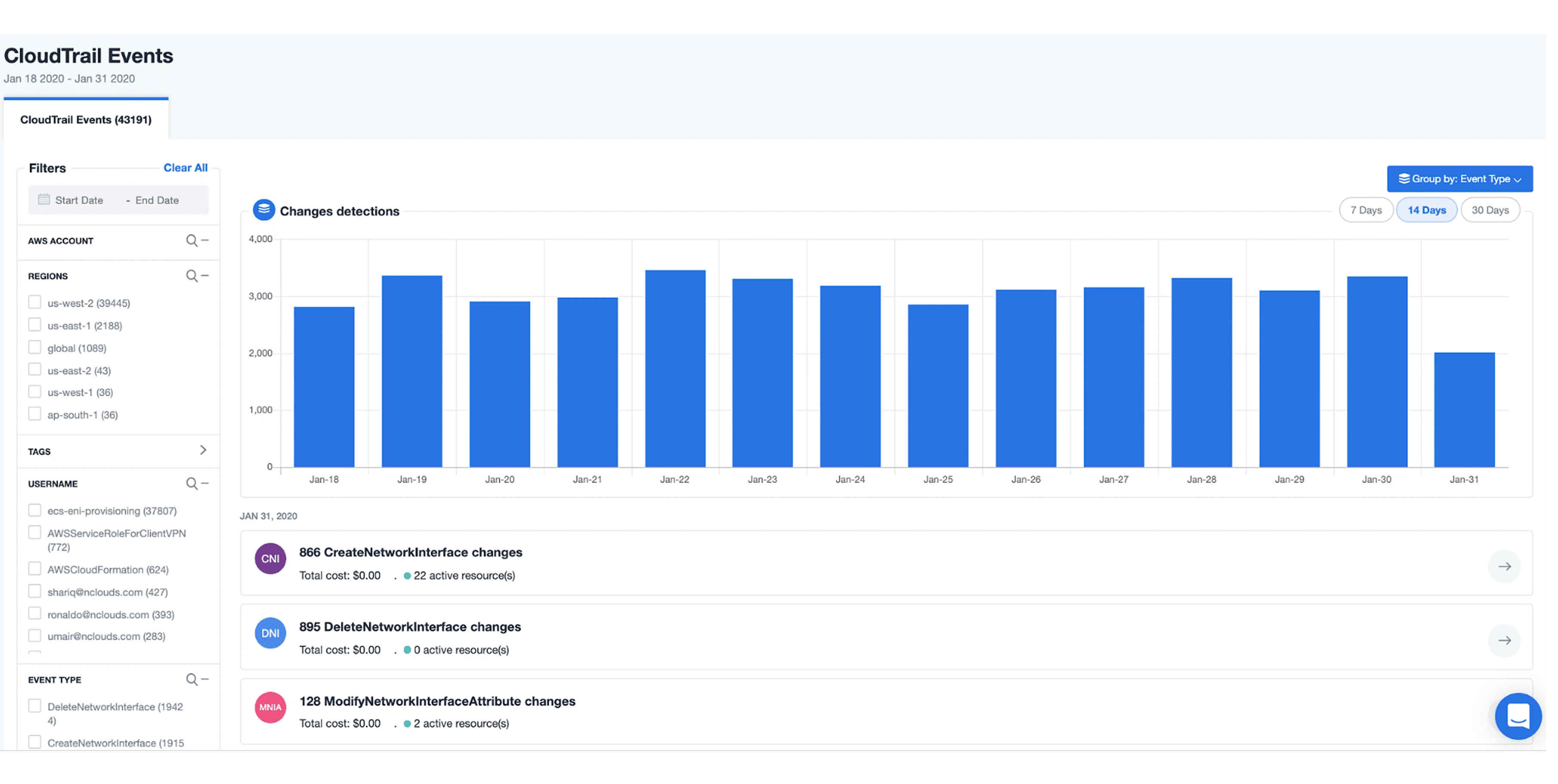
Best For: AWS-heavy shops needing Spot Instance automation.
nOps is a direct competitor to CloudZero but leans heavily on AWS automation. It is famous for its Risk-Free Commitments and Spot Instance orchestration.
While nOps is excellent for AWS, its support for Azure and GCP is less mature compared to its AWS capabilities. CloudZero offers better Unit Economics (cost per customer), whereas nOps offers better Infrastructure Automation. If you need to evaluate further, see our comparison of nOps alternatives.

Best For: Teams looking to use Autopilot with Kubernetes clusters. CAST AI is less of a monitoring tool and more of an automated operator.
CAST AI is specialized for Kubernetes nodes, so it lacks visibility into non-containerized costs such as RDS, Snowflake, or unattached storage that CloudZero tracks.
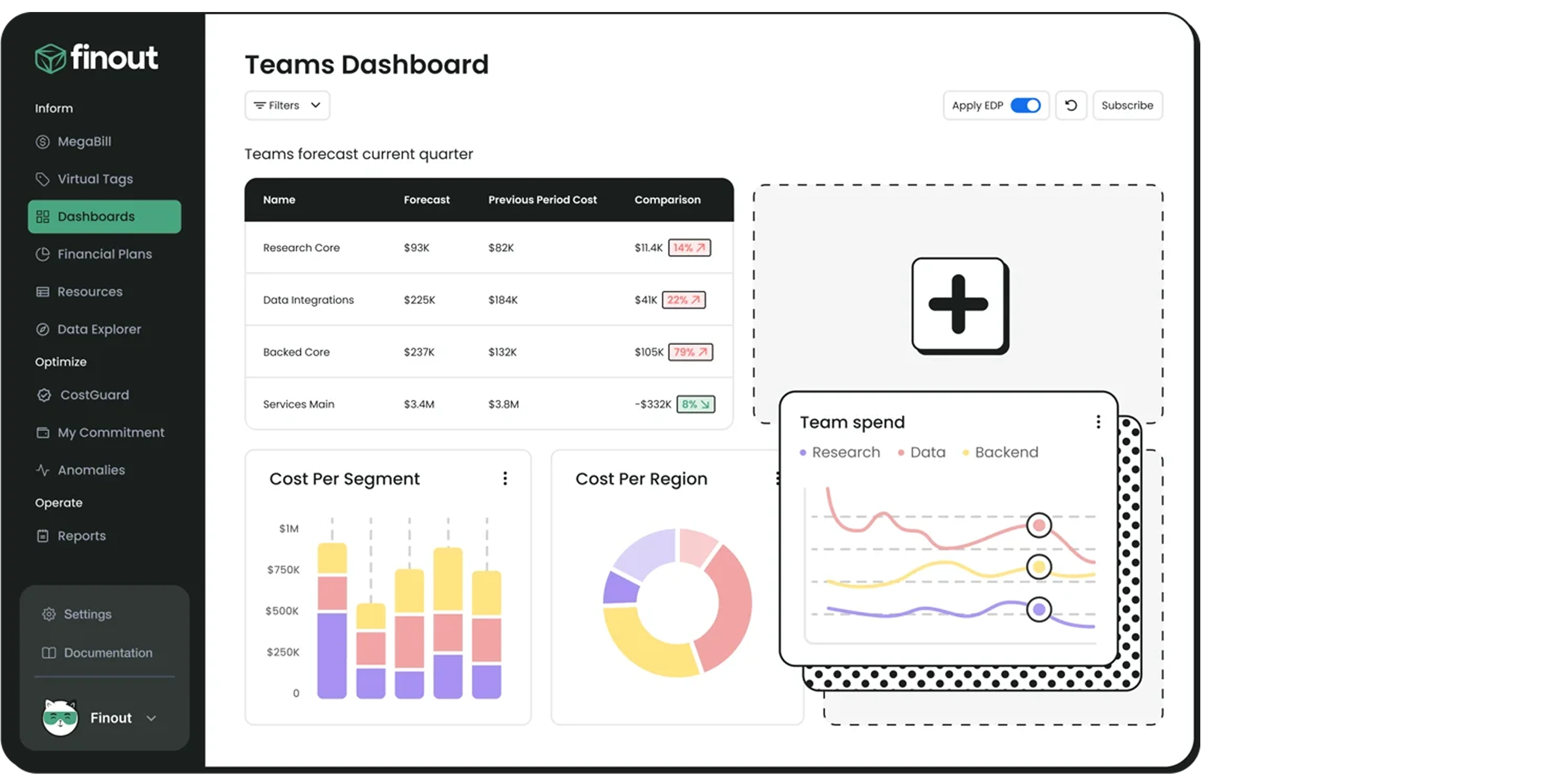
Best For: Teams that want tag-free cost allocation without writing any code or re-engineering their tagging strategy. Finout appears consistently in G2’s top alternatives for CloudZero, specifically cited by teams that found CloudZero’s code-based allocation too heavy to maintain. Its differentiator is a no-code cost allocation layer that maps spend to teams, products, and services without requiring engineers to tag every resource or maintain allocation scripts. Key Strengths
Trade-off
Like CloudZero and Vantage, Finout is primarily a visibility platform. It surfaces where your money goes with impressive ease, but the implementation of savings still requires manual engineering effort or integration with an execution layer. Teams seeking stronger automation, execution layers, or deeper multi-cloud optimization often evaluate other finout alternatives.
Best For: Large enterprises managing hybrid cloud and on-premises infrastructure who need AI-driven resource management across both environments. IBM Turbonomic is the top-ranked CloudZero alternative on both G2 and TrustRadius. It takes an action-oriented approach to resource management: rather than reporting on waste, it continuously analyses application demand and automatically resizes, moves, or adjusts resources to match that demand. This makes it one of the closest execution-focused comparisons to CloudZero’s visibility model.
Key Strengths
Trade-off
Turbonomic carries IBM enterprise pricing and complexity. It is designed for large organizations with dedicated FinOps and infrastructure teams, not for growth-stage companies looking for a quick deployment. If your infrastructure is purely public cloud, lighter-weight platforms like Costimizer or Vantage will deploy faster and cost less to operate.
If you are evaluating a switch from CloudZero to an execution-focused platform, the ROI question is straightforward: how fast does the platform pay for itself compared to what you are currently spending on CloudZero licenses plus the engineering hours required to act on its recommendations?
The hidden cost of passive tools: CloudZero typically generates dozens of recommendations per week. Acting on each one requires an engineer to review the insight, create a ticket, and schedule the change. For most teams, that cycle takes 2 to 4 weeks per item and only a fraction of recommendations ever get implemented. The waste identified but never fixed is the real cost of a visibility-only platform.
Break-even framework: Execution platforms like Costimizer typically charge around 1.5% of cloud spend and guarantee a minimum savings multiple. On a $100,000 per month cloud bill, that is $1,500 per month in platform cost. If the tool automatically recovers even 5% in waste through idle shutdowns and rightsizing, you net $3,500 per month after platform cost. Most teams reach break-even within the first two weeks of automated execution beginning.
The switching question to ask: How many of the last 20 CloudZero recommendations did your team actually implement? If the answer is fewer than 10, your optimization platform is doing its job but your organization is not. Switching to a platform that executes automatically removes that bottleneck entirely.
Why Your Cloud Bill is Bleeding Profit (And How to Fix It)?
The problem is very simple: your technical team rents powerful servers like AWS/Google/Azure to handle big tasks, but often those tasks finish, and the servers keep running. You are paying for 100% capacity but using only 10%.
Here is the solution: you get an AI manager that reduces unnecessary consumption.
Most tools (like CloudZero) are like hiring an accountant. They send you a report at the end of the month saying, Sir, you wasted $5,000 on empty rooms.
That is helpful, but you still paid the bill.
We recommend a different approach: Automated Cost Management (like Costimizer).
Think of this as an active AI Manager.
Immediate Cash Flow
Ask your tech lead one question: "Do we have a system that automatically turns off idle servers, or do we rely on people to remember?" If the answer is people, you are overpaying.
Your choice comes down to one simple question: Do you need a dashboard to show Finance where the money went, or an autopilot to help Engineering stop spending it?
For most enterprises, the quickest wins aren't in complex re-architecting, but in spot Instance orchestration and Storage Lifecycle policies. Automating these two areas can often cut compute and storage bills by 30 to 40%.
When evaluating platforms, focus on these three pillars:
For a deeper dive into the specific options available today, check out our guide on cloud cost optimization tools.
Feature | Costimizer | CloudZero |
Primary Goal | Reduce & Optimize Costs | Organize & Allocate Costs |
User | DevOps & SREs | Finance & Engineering Leads |
Action Type | Automated (AI fixes it) | Manual (You click to fix) |
Setup Time | Minutes (Agent/API) | Weeks (Complex Mapping) |
Pricing | Flexible (Growth-friendly) / % of Spend | High (Enterprise focus) |
Integrations | Any custom API webhook | Limited |
Security Protocol | Zero Root Credential • TLS 1.2/1.3 • AES-256 | SOC 2 Type II, SSO, RBAC, encryption in transit and at rest |
If you are strictly on AWS, nOps is a strong contender. However, if you are like 89% of enterprises using a mix of AWS, Azure, and Google Cloud, you need a tool that can handle all three.
Costimizer excels here, providing a normalised view where a server in AWS looks the same as a VM in Azure on your dashboard.
The era of Cloud Cost Visibility is ending. Knowing you spent too much is no longer a competitive advantage, but spending less is.
If your primary pain point is complex accounting and you don't know which team is spending what, CloudZero remains a strong choice for allocation.
However, if your pain point is both visibility and waste. You know you are overspending, but lack the time to fix it. You need an execution platform.
Costimizer bridges this gap. It gives you CloudZero's visibility and adds the Agentic AI hands needed to actually lower the bill. Don’t just watch your money burn, but put a system in place to put out the fire.
Yes. You define the Risk Tolerance (e.g., strictly safe vs. aggressive) for every policy. The AI operates only within your approved guardrails, or you can start in Recommendation Mode to build trust first.
Most teams identify immediate savings within 24 hours of connection. Because the agents can execute fixes (like parking idle servers) instantly, you often see a drop in daily spend within the first week.
No. Unlike CloudZero’s code-based allocation, Costimizer connects via secure API and agents. It maps your infrastructure automatically without requiring your developers to tag or re-architect applications.
Absolutely. Many teams use CloudZero for financial reporting and add Costimizer as the Execution Layer to address waste identified by reporting tools. For a step-by-step walkthrough, see our migration guide.
Costimizer operates within your custom risk guardrails, letting you choose between conservative or aggressive optimization. You can start in Recommendation Mode to manually validate AI suggestions, then switch to full automation once you’re confident in the results.
Yes. Costimizer offers specific savings guarantees based on their initial audit, backed by the "Group-Buy" leverage where smaller companies get enterprise-grade discounts.
Yes. Costimizer supports direct data exports to warehouses and Power BI/Tableau for custom finance reporting.
Yes. It offers robust Webhooks and REST APIs to trigger internal workflows (e.g., Slack alerts or Jira tickets) when anomalies occur.
•
CFO•
Articles