If you go to the internet and search for best cloud provider, it will give you a confusing comparison table with jargon that means nothing. High availability, elasticity, synergy. How do you identify the right cloud for your business?
What I’ve mainly seen while working with Fortune 100 companies
If the documentation is great, cloud is just infrastructure. If the documentation is poor, cloud is frustration.
In this blog, I'm going to help you understand the top cloud providers for 2025, commenting on what the work really is, the good and the bad, and finally ranking them in a tier list by their industry: The MNC, The VC-Backed Startup, and The SMEs.
So, let's get started.
60-Second Summary
We must first lay down the ground rules before we leap into the specific providers. In ranking these, I would be considering four things:
First up, we have AWS. This is usually the default option. If you are in a startup or an MNC, this is likely already decided by your boss. AWS is the market leader, having approximately 32% of the cloud market, and rightfully so. They developed the contemporary cloud.
AWS is like a massive store where the tools are scattered across 500 different aisles. You want a server? That’s EC2. You want storage? That’s S3. You want a database? That’s RDS, or maybe DynamoDB, or maybe Aurora.
For MNCs: The good thing is you have a service for literally everything. Satellites? Yes (AWS Ground Station). Quantum computing? Sure (Amazon Braket). It’s reliable, and nobody gets fired for choosing AWS. It’s the IBM of the cloud era. If you are a CTO at a Fortune 500, AWS is your safety blanket.
For Startups: You get a lot of free credits,sometimes $100k if you’re VC-backed. That hooks you in. It’s like a drug dealer giving you the first hit for free. You build your entire architecture on their proprietary tools (like Lambda or DynamoDB), and by the time the credits run out, rewriting your code to move elsewhere is too expensive. You are trapped.
I have friends who built successful startups, and their biggest fear wasn't a server crash, it was waking up to a $20,000 cloud bill because anything can go wrong, maybe they leave large instances running, creating unused cloud resources, or forget to configure a NAT gateway correctly..
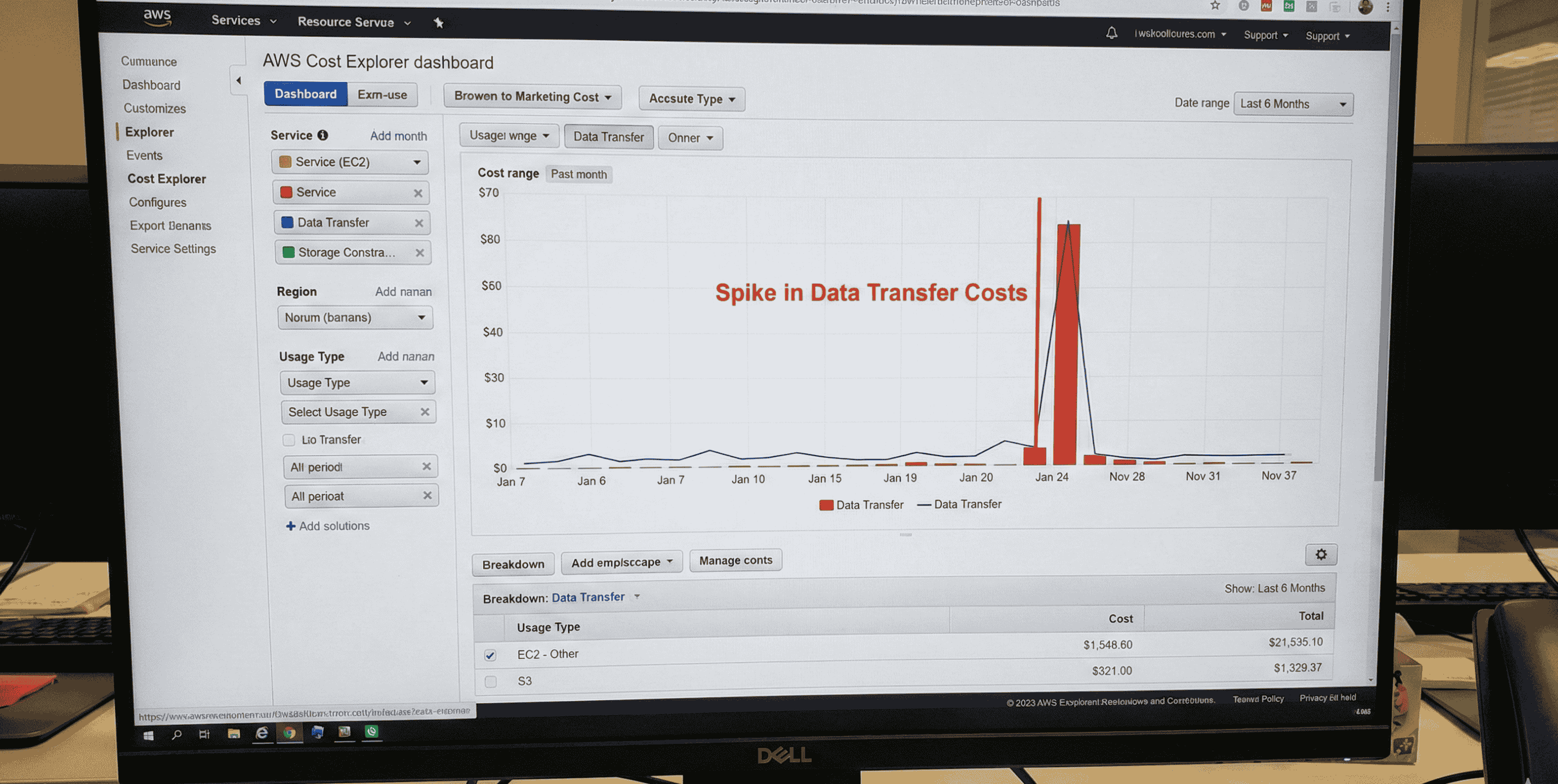
AWS has the deepest service catalog, but its 'Complexity Tax' is real. You often need a dedicated 'Cloud FinOps' person just to understand the invoice. This confusion is exactly why teams struggle with how to reduce AWS cost without breaking production. If you don't tag your resources by department from Day 1, you will never know where your money is going.
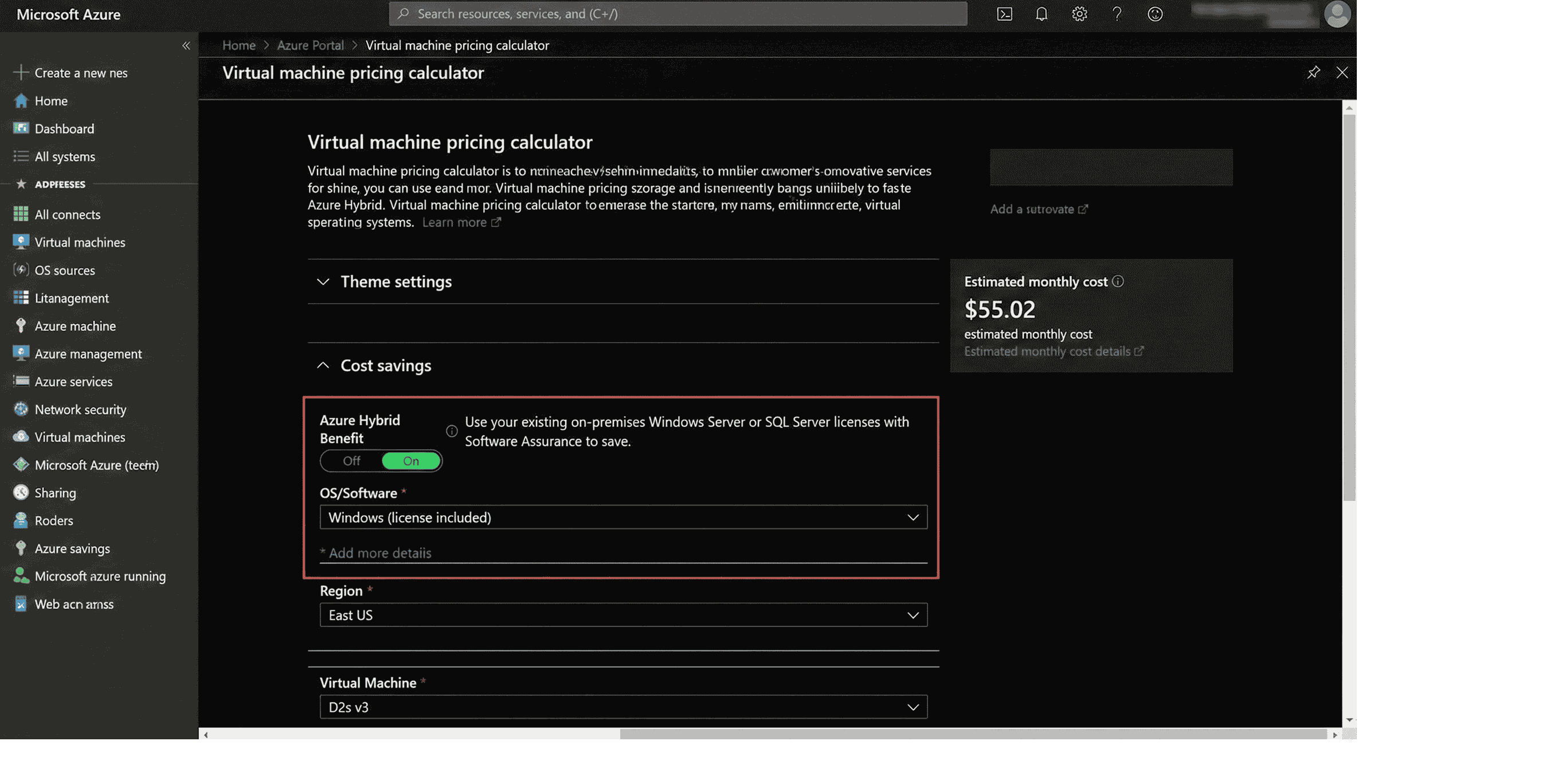
Next, we have Microsoft Azure. Various names are used to describe the reason people do this, though in most cases, it is simply because they are already in the Microsoft ecosystem. Azure is a no-brainer if your company operates on Outlook, Teams, SharePoint, and Active Directory.
What Mark Russinovich CTO of Microsoft Azure, has to Say:
Azure is more about business continuity. Their identity management (Entra ID/Active Directory) is the gold standard. If you need to manage 10,000 employees' access rights, you do it here.
The Result:
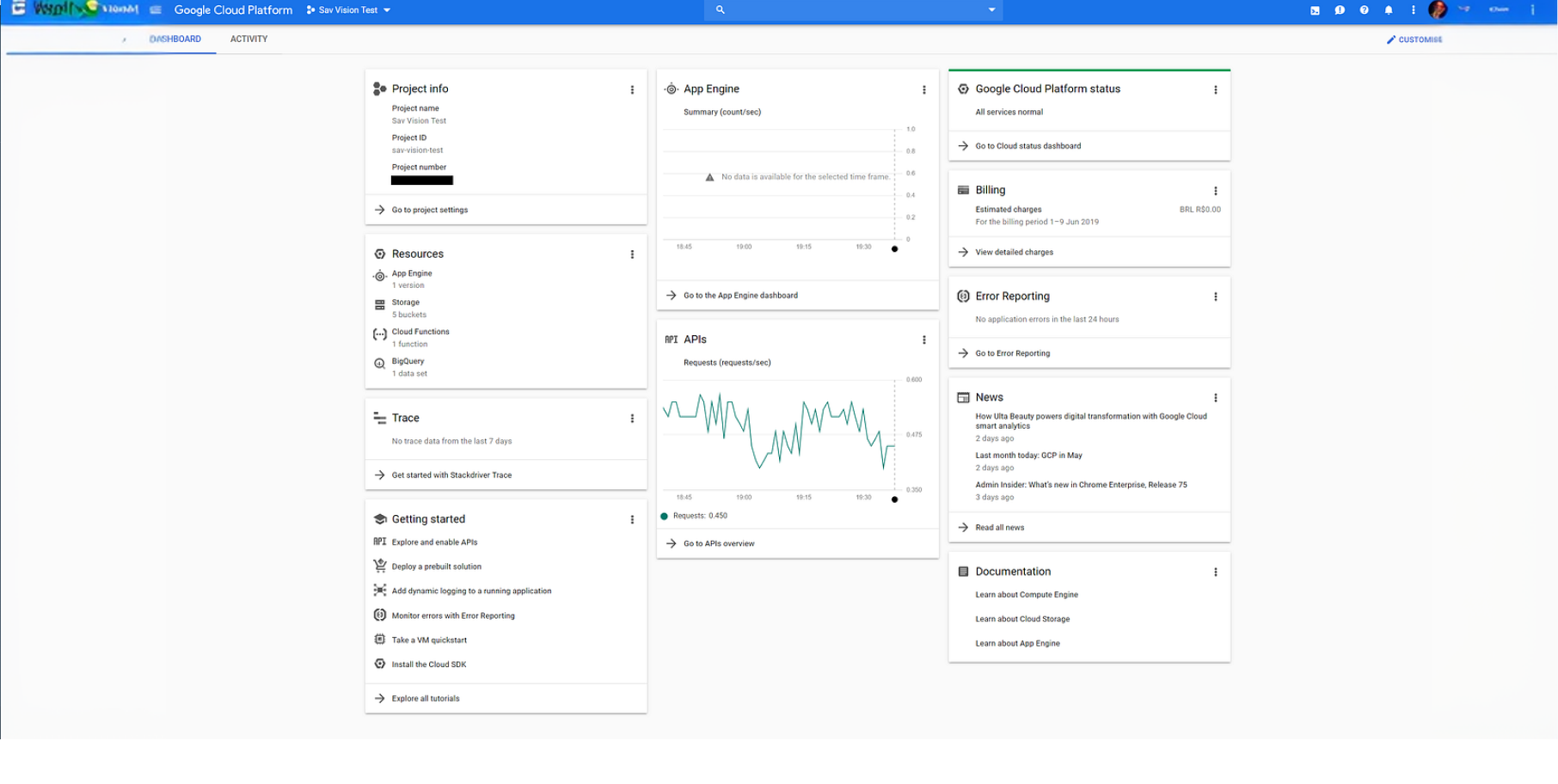
The next one is Google Cloud Platform. You are likely to love GCP, especially if you are a data scientist, or a machine learning engineer.
The Reality of Working with GCP: GCP has been designed by engineers for engineers, rather than by a procurement department. The UI is less cluttered, the command-line tools are user-friendly, and everything spins quickly. They created Kubernetes, and, of course, their Kubernetes engine (GKE) is the best.
In the case of Startups (particularly AI), it is great. Their AI and Data solutions (BigQuery, Vertex AI) are the most successful in the industry. This is where you would like to be in case you are developing an AI wrapper or a data-intensive application. BigQuery enables you to process terabytes of data within seconds without server management. It feels like magic.
The Google Risk: Everyone worries that Google kills products. Remember Google Reader? Or Google Stadia? Or the 100 other messaging apps they made? People have a genuine fear that Google might just depreciate a service you rely on. While they likely won't kill their core cloud services, the trust issue is there in the enterprise world.
Networking Superiority: Google owns a massive amount of the world's fiber optic cables. Their network is faster and lower latency than almost anyone else. If you are building a global multiplayer game or a high-frequency trading app, this matters.
Hilary Packer, CTO of American Express
GCP is currently growing fastest in the AI segment. If you are training models, their TPUs (Tensor Processing Units) offer better price-performance than Nvidia GPUs on other clouds. But, finding talent who knows GCP deeply is harder than finding AWS talent.
Finally, we have Atlantic.Net, DigitalOcean (and similar providers like Linode or Vultr). While technically these are alternative clouds, for many of you reading this, especially the freelancers and agency owners, this is the only tier that matters.
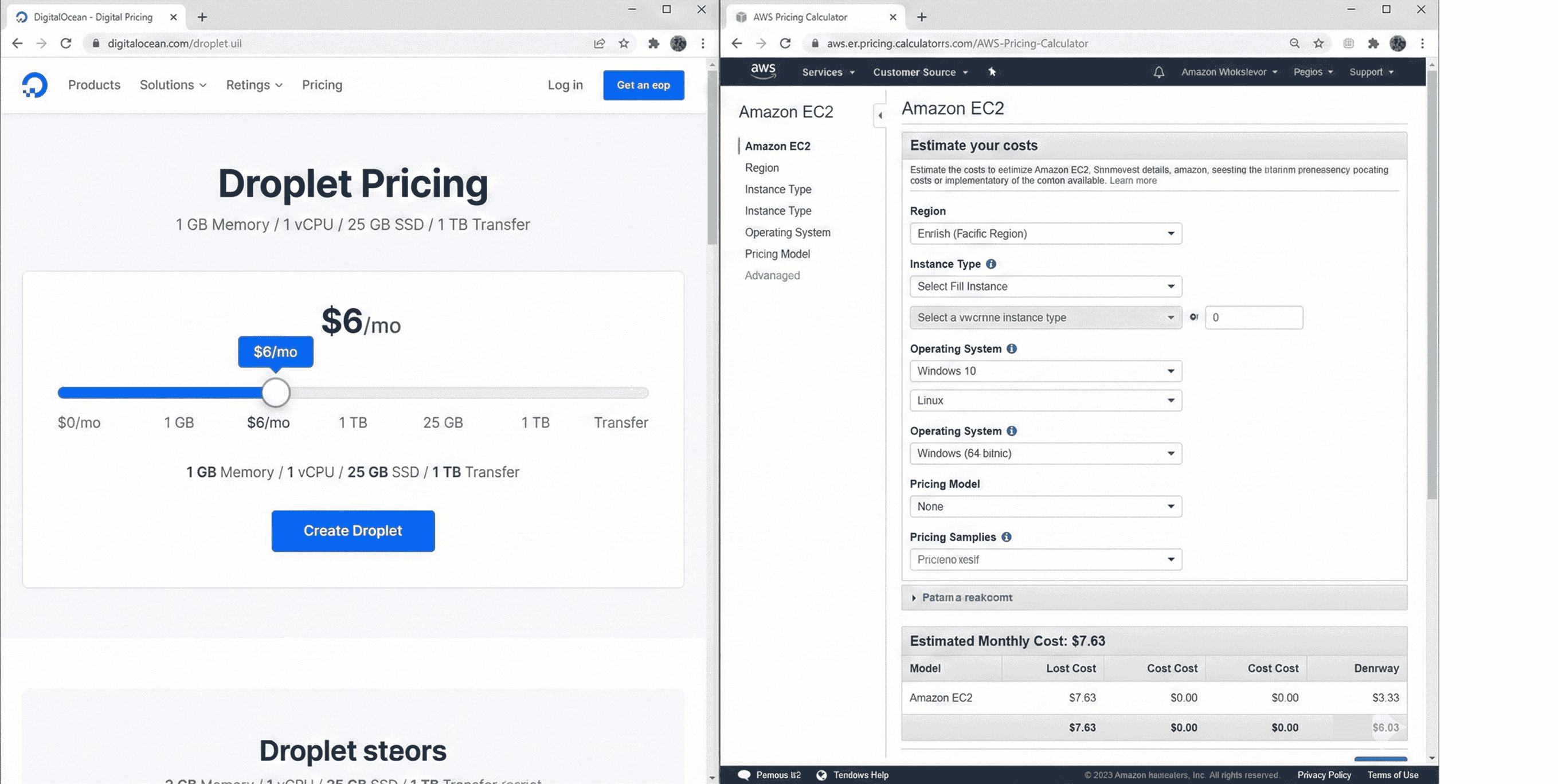
The Reality of Working with DigitalOcean: You are the mini CEO of your server. You want a Virtual Machine (Droplet) for $6 a month, and you want it to work. No hidden costs for VPC Peering or NAT Gateways. You get a simple bill: $6.
For SMEs and Startups : This is heaven. The documentation is the best in the world. Seriously, even if you use AWS, you probably read DigitalOcean's tutorials to learn how to install Linux packages. It’s community-driven. Atlantic.Net is well known for its USA-based always available phone support.
The Trade-off: You don’t get the 200+ services AWS has. You have to manage more things yourself. If you need a complex serverless architecture with event-driven triggers and AI integration, you have to build it yourself here. But honestly? Most of you just need a database and a Node.js server. You don't need a satellite ground station.
The Pricing Advantage Bandwidth on AWS is expensive. Bandwidth on DigitalOcean is generous and cheap. If you are building a video streaming app or something that moves a lot of data, the Big Three clouds will bankrupt you. DigitalOcean won't. Atlantic.Net provides all-inclusive pricing plans that can be beneficial and can save huge from companies like AWS.
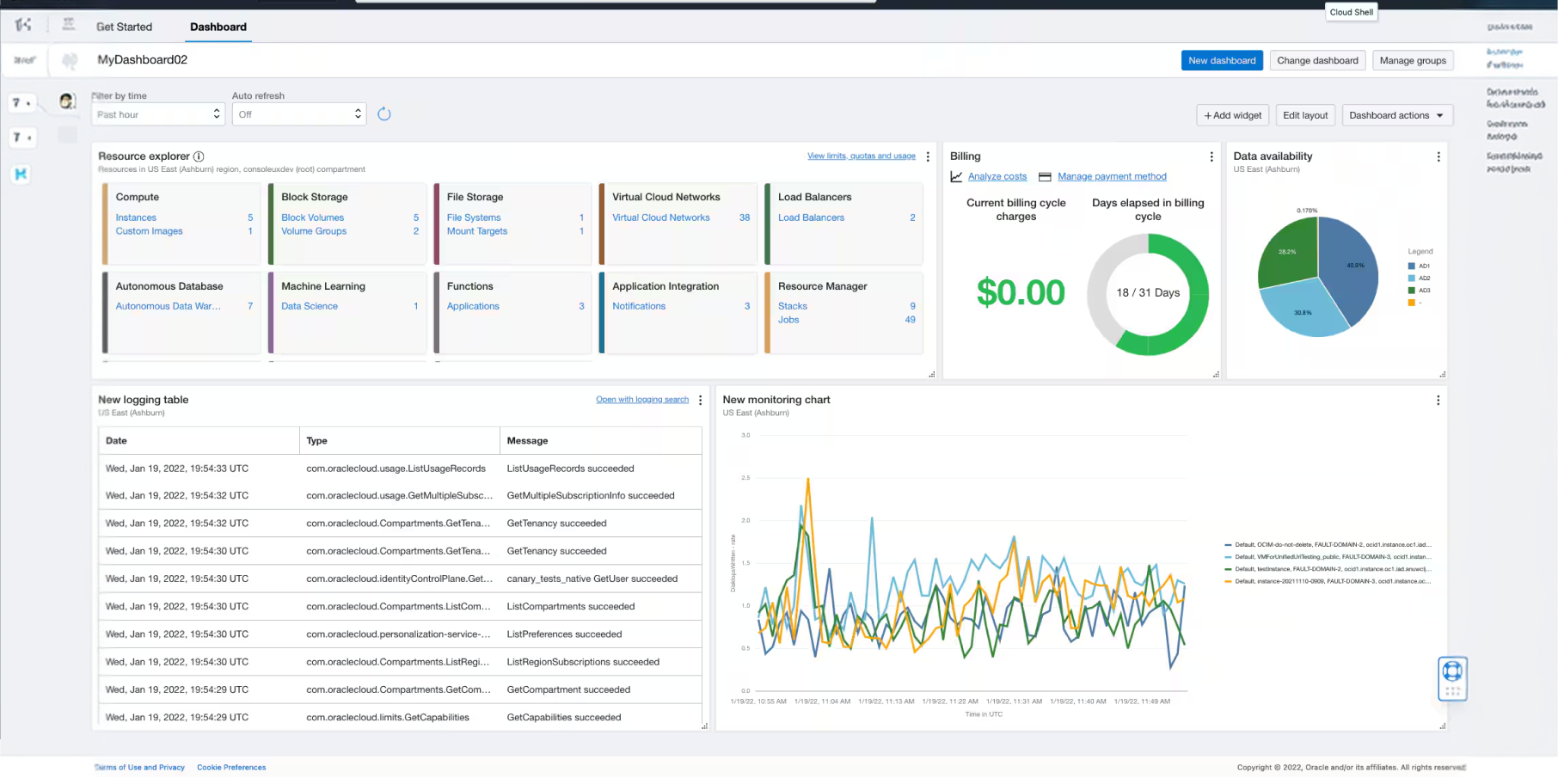
If you asked me about Oracle 10 years ago, I would have told you to run away. Everyone hates Oracle sales reps. They are aggressive. But, if we look at the tech in 2025, OCI is actually... surprisingly good?
The Reality: Oracle realized they lost the cloud war, so they decided to compete on two things: Speed and Price. They offer bare metal instances that are beasts for performance.
For MNCs: If you are running massive Oracle Databases (and let’s be honest, most banks and airlines are), running them on OCI is significantly cheaper and faster than running them on AWS.
For Startups: They have a very generous Always Free tier. I’m talking about actual usable ARM instances, not what AWS gives you. But the UI still feels like it was designed by a committee of lawyers.
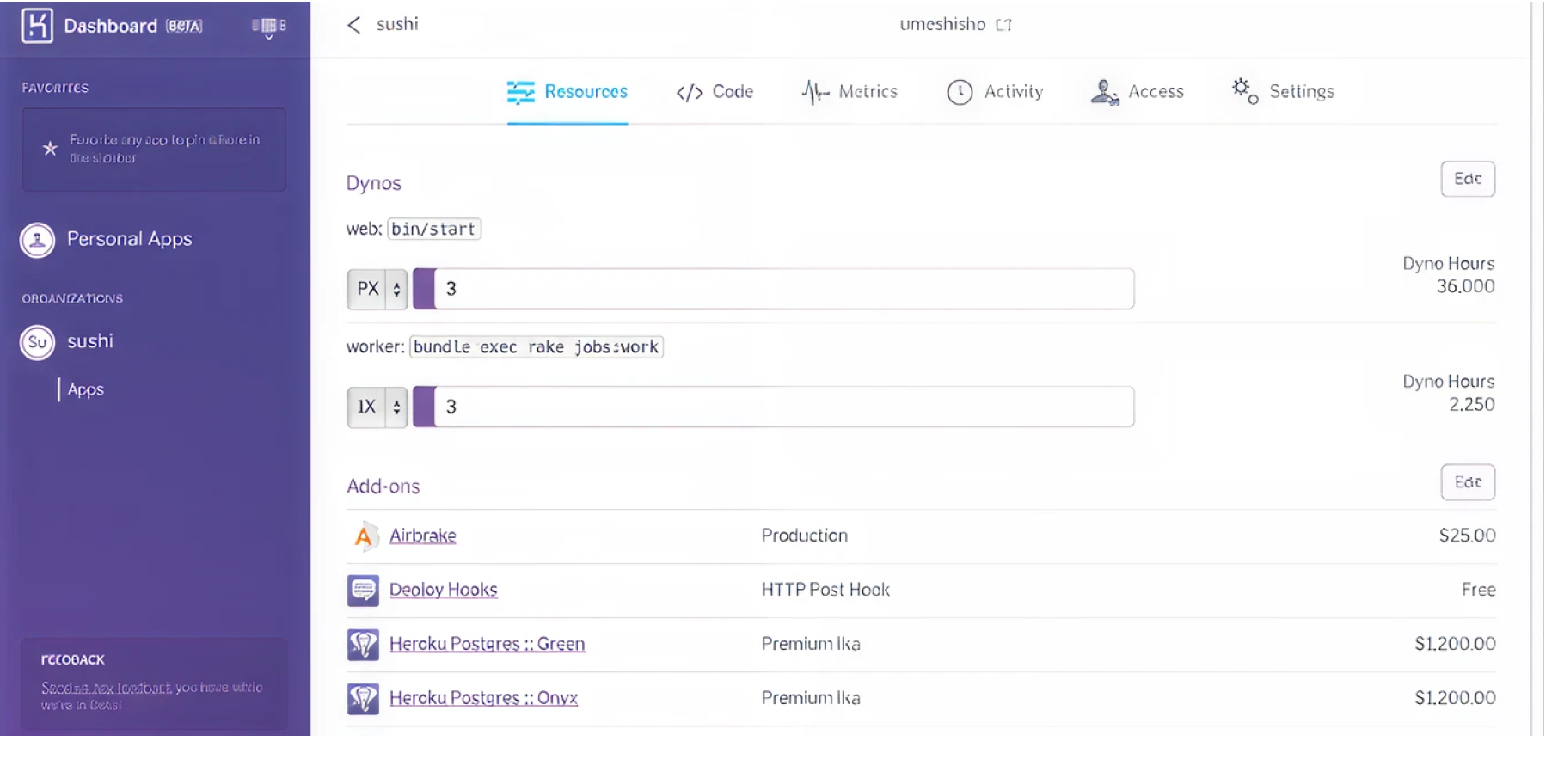
Heroku is a PaaS (Platform as a Service). You don't manage servers; you just push code. git push heroku master. That’s it. Your app is live.
The Problem: The bill scaling is exponential. You pay a convenience tax. A server that costs $5 on DigitalOcean costs $25 on Heroku. Once your startup scales, Heroku becomes financially unsustainable.
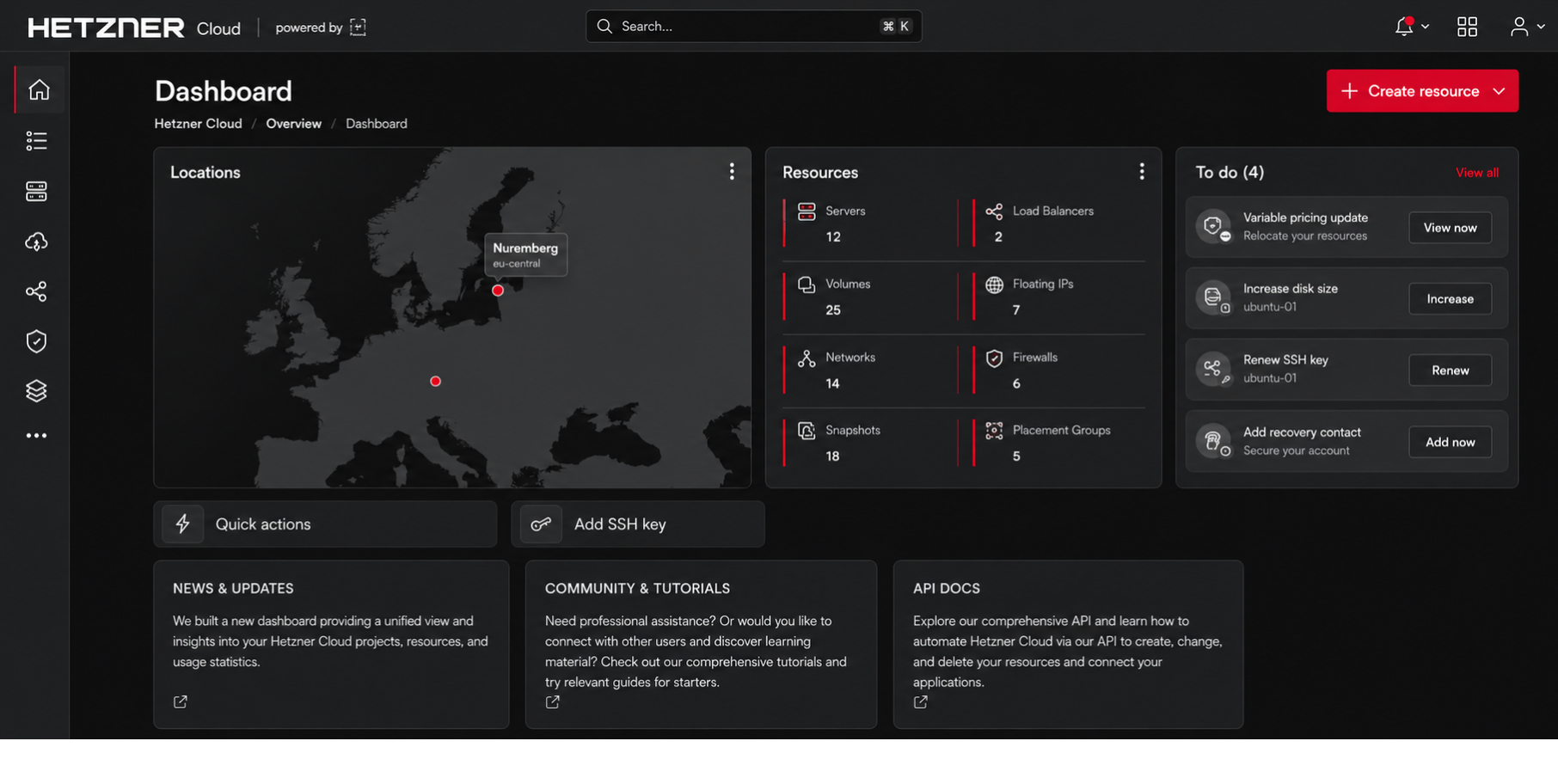
If you are active on Hacker News or Reddit, you know Hetzner. This is a German provider that offers dedicated servers for prices that seem illegal.
The Reality: You get raw power. For the price of a tiny virtual CPU on AWS, Hetzner gives you an entire physical machine with 64GB of RAM. It is insane value.
The Catch: They don't have data centers everywhere (mostly Europe/USA). The UI looks like it's from 2005. And if you lose your data, that's on you. There is no hand-holding.
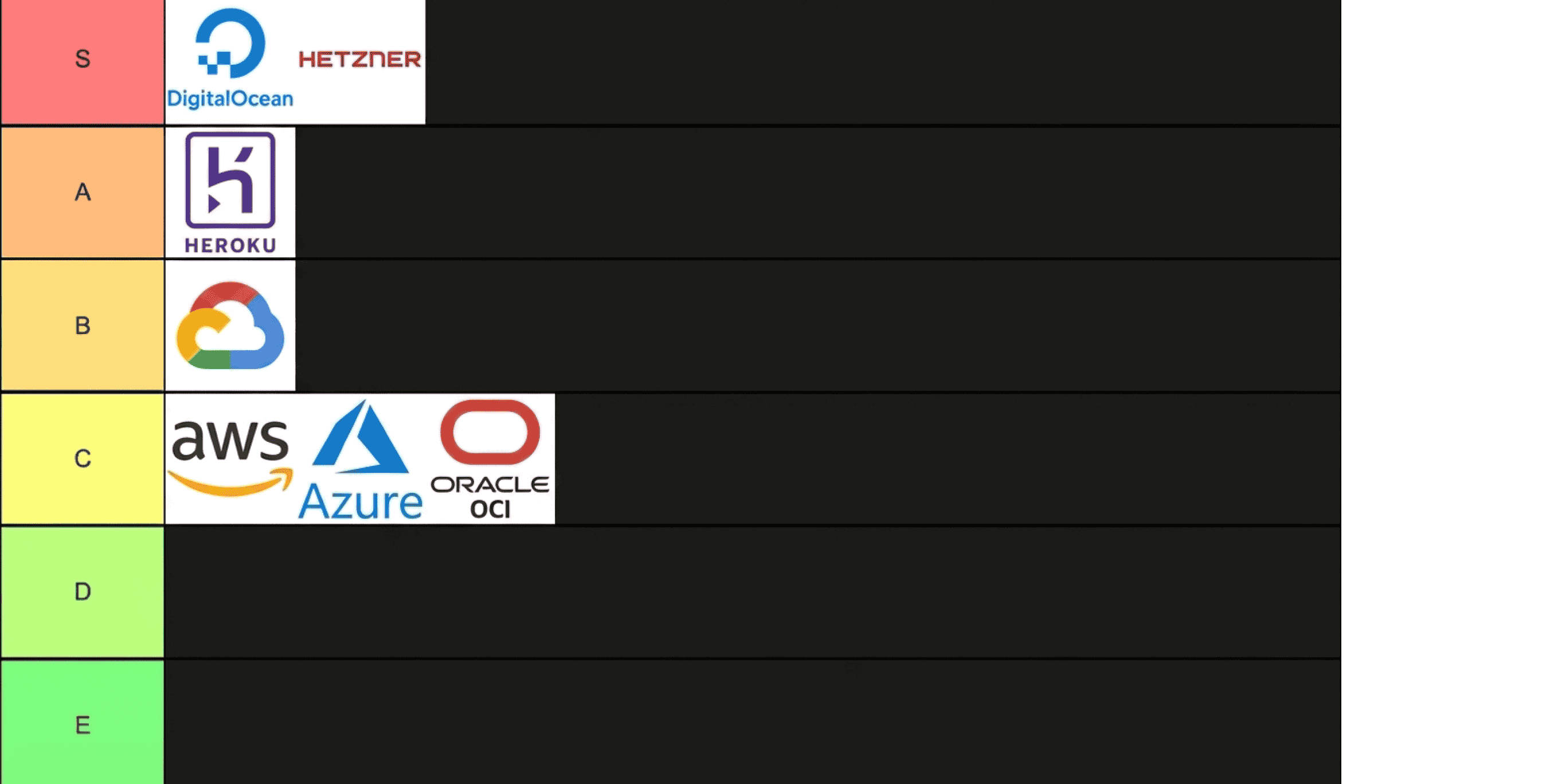
Now it’s finally time we give you our tier list for Startups, SMEs, & MNCs.
Before we wrap up, I need to talk about the Gotchas. I hated this in B-school,the hidden variables.
A lot of people get fascinated by the world of cloud architecture. But there really isn't quality content about the financial hangover that comes after the deployment party. I hated this when I was managing my own servers. You check your cloud bills, and it’s just a verbose list of Data Transfer and Provisioned IOPS that means nothing.
If you don't control your cloud, your cloud controls your runway.
What we have done is build Costimizer, the only platform you really need for your cloud financial health by keeping clarity at the heart of everything. Our platform uses AI to analyze your usage patterns. It tells you exactly where you are burning cash and, more importantly, how to stop it without crashing your production environment.
Whether you are a startup trying to extend your runway or a massive e-commerce giant fighting for every point of margin, Costimizer ensures your infrastructure supports your scale without eating the profits you fight for every day.
Don't let the fear of breaking things prevent you from removing waste. Savings fund better innovation. Check out Costimizer.
Look, this is a classic misconception. People think Expensive = Better. If you are building the next Uber, sure, go AWS because you need the proprietary geo-location services. But for 95% of B2B SaaS apps, a Linux server is a Linux server. DigitalOcean is S Tier for early-stage startups because it lets you focus on your product, not on configuring IAM roles. Don't complicate your life before you have customers.
The moment your engineering team spends more time managing the infrastructure than the code, you need to move. Or, the moment a client sends you a 50-page security compliance questionnaire (SOC2, HIPAA). AWS and Azure handle compliance better than anyone. It’s painful, but necessary. Until then, stay lean.
Data Egress. I cannot stress this enough. Cloud providers charge you almost nothing to upload data, but they tax you heavily to download it. If you are building a video app or a heavy content platform, this line item can be bigger than your server cost. Always model your Data Out before you sign a contract.
AWS Cost Explorer is like a receipt; it tells you what you spent. Costimizer is like a financial advisor; it tells you what you should spend. The native tools are designed to show you data, but they don't really have an incentive to help you pay them less. Our AI actively looks for waste,orphaned volumes, over-provisioned instances, idle load balancers,and gives you actionable steps to fix it. We are on your side of the negotiation table.
Amazon Web Services (AWS) holds the largest share of the global cloud infrastructure market, followed by Microsoft Azure and Google Cloud. AWS leads because of its extensive service portfolio, mature ecosystem, and broad global infrastructure footprint.
AWS, Azure, and Google Cloud are typically compared based on pricing, service offerings, scalability, security features, global infrastructure, AI capabilities, and integration with existing technologies. The best choice depends on which factors matter most to your business requirements.
For startups and small businesses, DigitalOcean and Hetzner are often preferred for their simple pricing and ease of use. However, startups with complex workloads or rapid scaling needs may benefit from AWS, Azure, or Google Cloud due to their broader range of services and advanced capabilities.
•
CFO•
Articles